Tennis Elbow in Henrico: When Dry Needling and IASTM Make Sense for Stubborn Pain
Stubborn tennis elbow in Henrico? Learn when dry needling and IASTM make sense, and how Bend PT builds a plan to get you back to training.
You grip a barbell, reach for a pull-up bar, or swing a racquet, and that familiar ache on the outside of your elbow shows up again. You have rested it. You have tried a brace. A few weeks later, the pain returns the moment you get back to training.
If that sounds familiar, you are not alone, and you are not doing anything wrong by wanting to stay active. Tennis elbow is stubborn, and simply resting rarely solves it. At Bend Movement in Henrico, VA, we help active adults understand why elbow pain lingers and what to do about it.
Why Does Tennis Elbow Linger Even After You Rest?
Tennis elbow is not limited to tennis players. It develops from repeated gripping and wrist extension, making it common in CrossFit, weightlifting, golf, pickleball, and even long days at a keyboard.
Research suggests that long-standing cases are often a tendon problem (tendinopathy) rather than simple inflammation. Rest can calm symptoms, but it does not rebuild the tendon's ability to handle load. That is why the pain so often returns when you resume training.
The elbow is also frequently just where the pain shows up. Grip strength, shoulder and shoulder blade control, neck mobility, and training volume can all play a role. A root-cause approach is designed to find out why your elbow is overloaded, not only where it hurts.
When Does Dry Needling Make Sense?
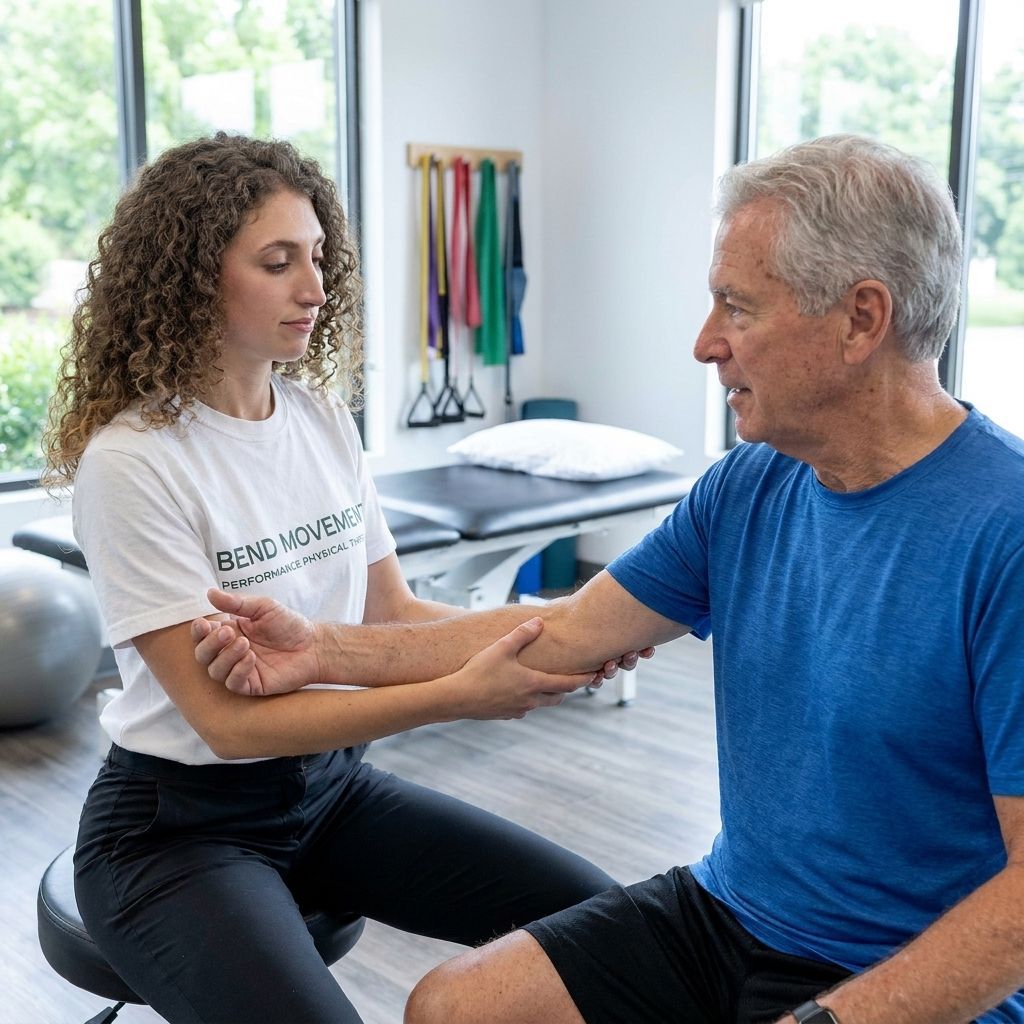
Dry needling uses thin, solid needles placed into tight, irritable areas of muscle, often called trigger points. With tennis elbow, the forearm muscles that extend your wrist and fingers tend to be overworked and sensitive.
Dry needling may be a good fit when:
- Your forearm feels tight, knotted, or tender to the touch
- Gripping, lifting, or shaking hands aggravates your pain
- Stretching and rest have not eased your symptoms
- You need to calm irritated tissue before progressing to strengthening
Studies suggest dry needling may support short-term pain relief and improved function for some people, which is why it is used as one tool within a larger plan rather than a stand-alone fix. The technique is chosen and applied based on what your exam reveals. Mild soreness afterward is common and typically settles quickly.
When Does IASTM Make Sense?
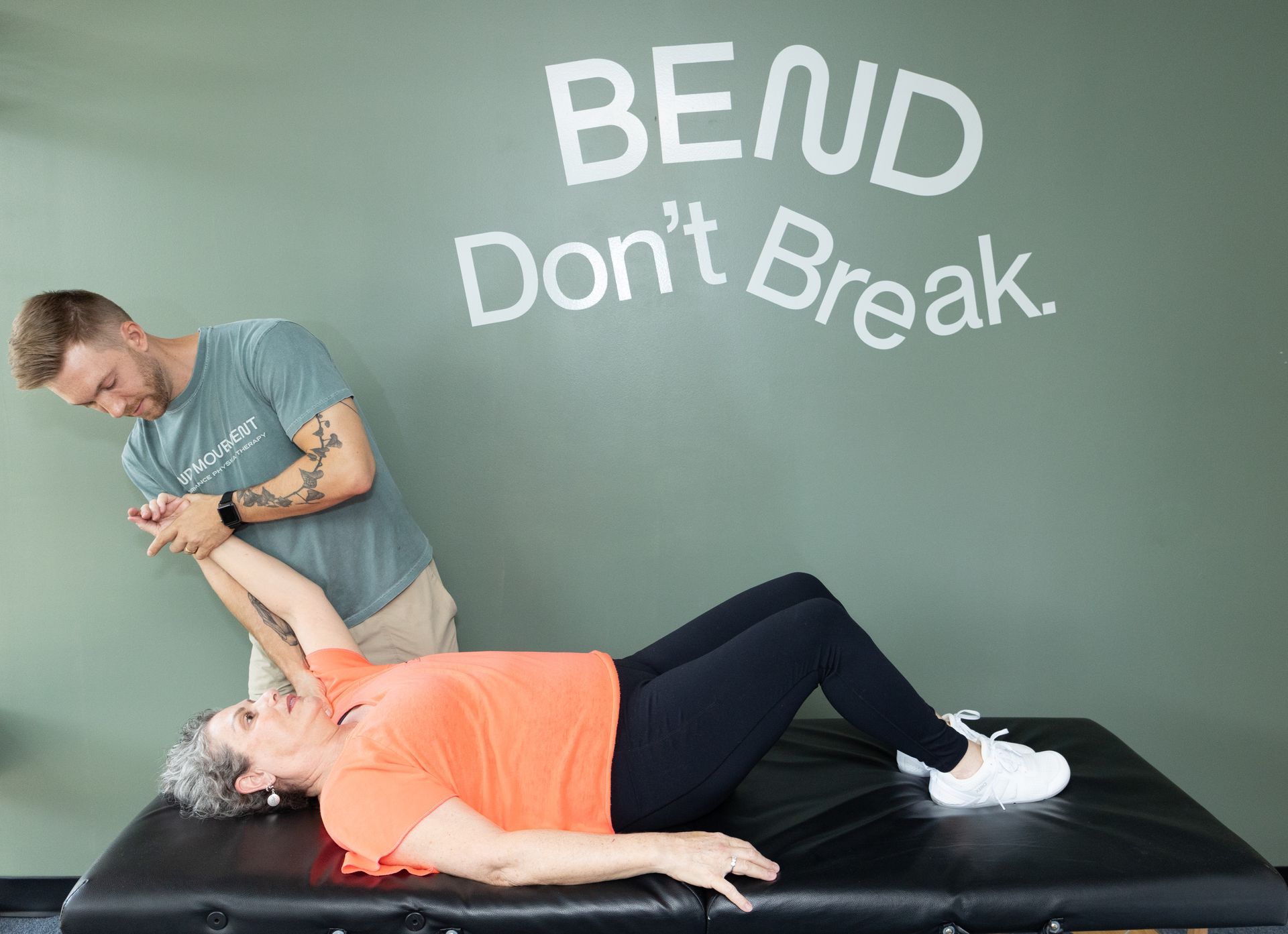
IASTM, or instrument-assisted soft tissue mobilization, uses smooth-edged tools to apply targeted pressure along the forearm. You may also hear it referred to as Graston or scraping. It helps your therapist assess and treat areas that feel restricted or sensitive.
IASTM may make sense when:
- The tissue along your forearm feels thick, tight, or restricted
- Pain flares with gripping or wrist movement
- You respond well to hands-on care
- You want to improve comfort and movement before progressing to heavier exercise
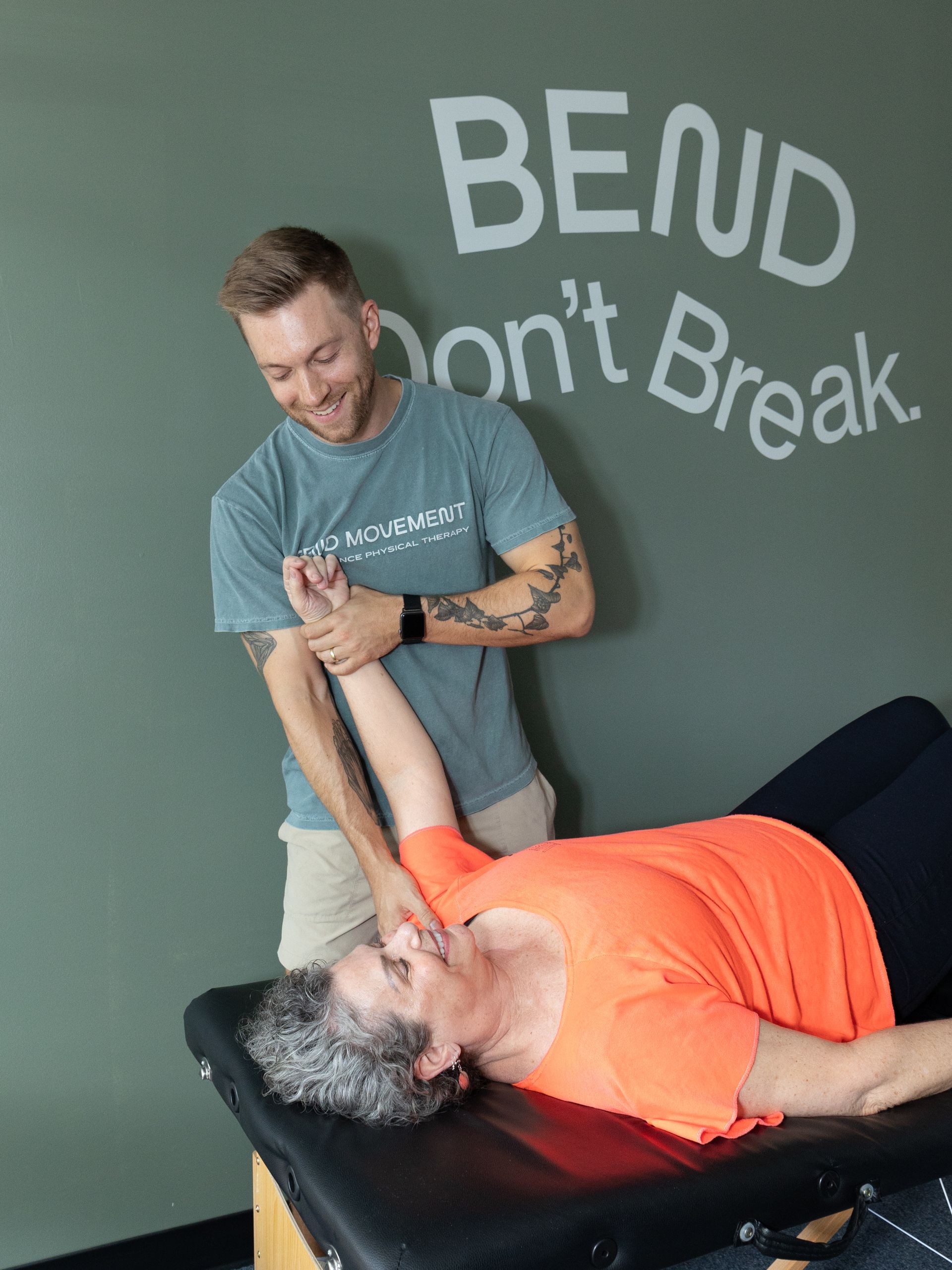
It is often paired with soft tissue mobilization, myofascial release, and other manual therapy techniques. Dry needling and IASTM are not an either-or choice. Your therapist determines which approach, or which combination, best fits your tissue and your goals.
Why Exercise Is What Makes Relief Last
Hands-on techniques can reduce pain and open a window for progress, but the tendon still needs to be rebuilt. Gradually loading the tendon through therapeutic exercise is one of the best-supported approaches for tendinopathy. That typically means starting with manageable loading and building toward the specific demands of your sport.
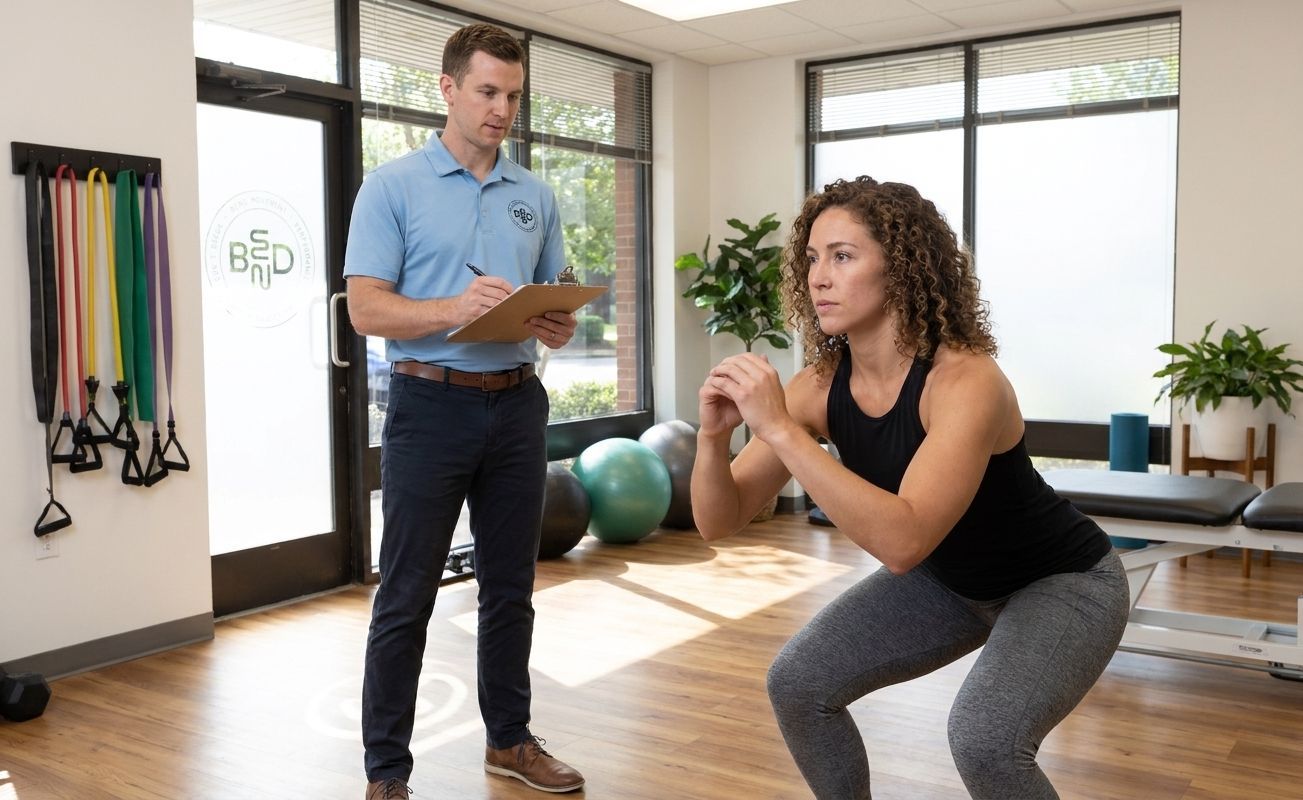
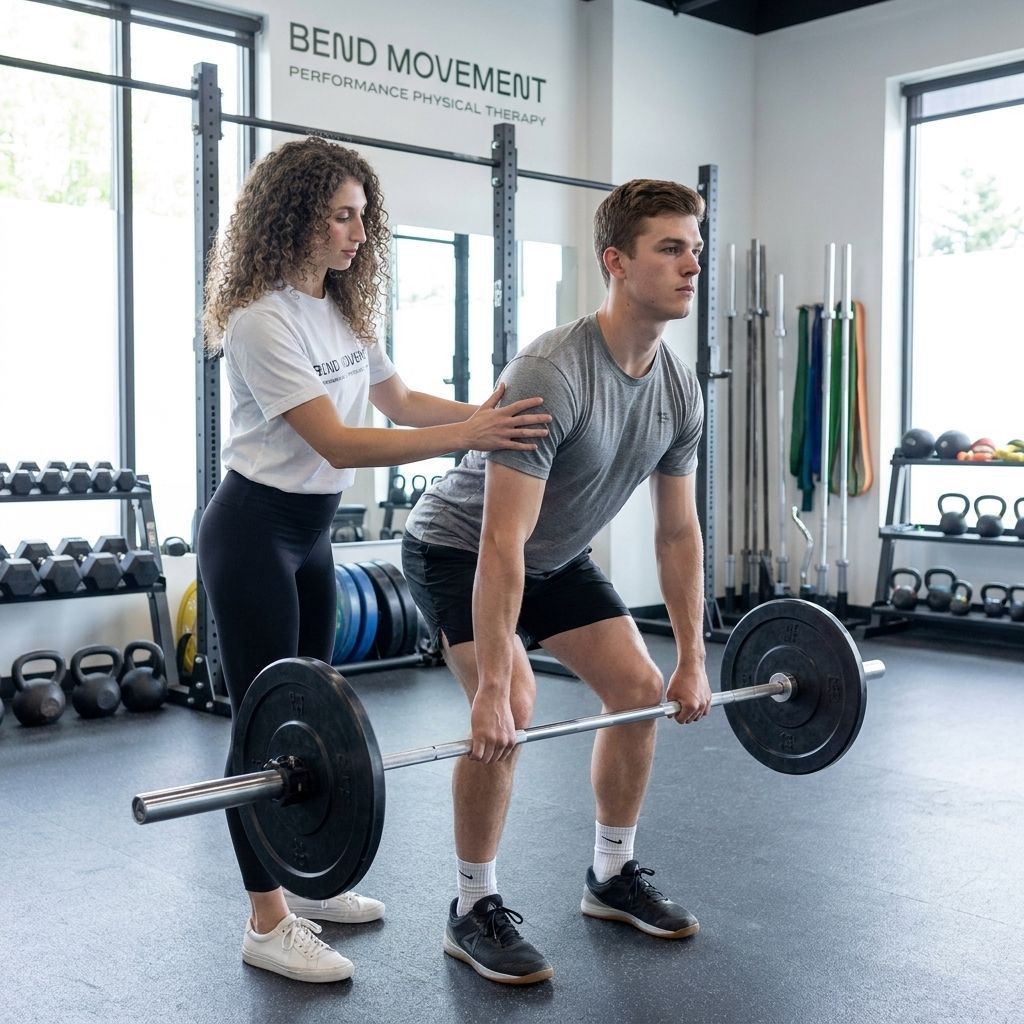
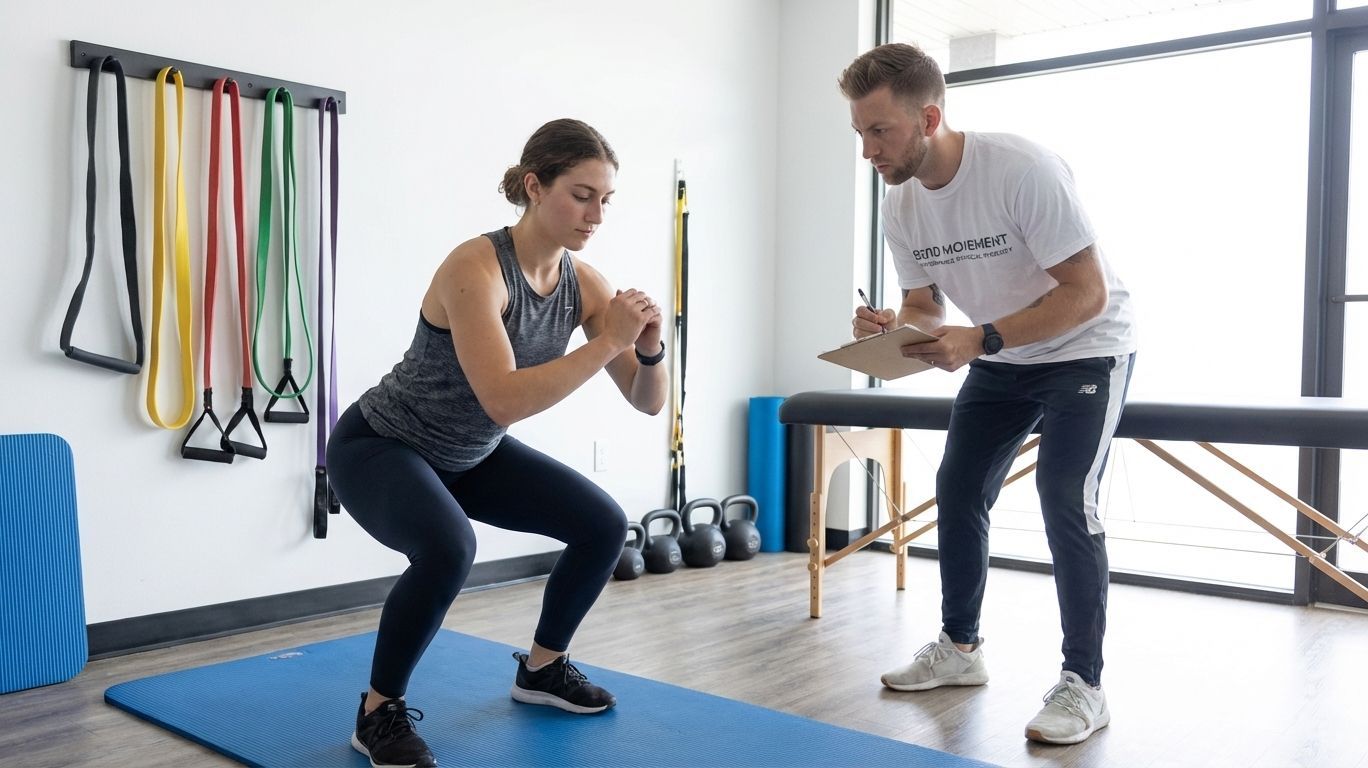
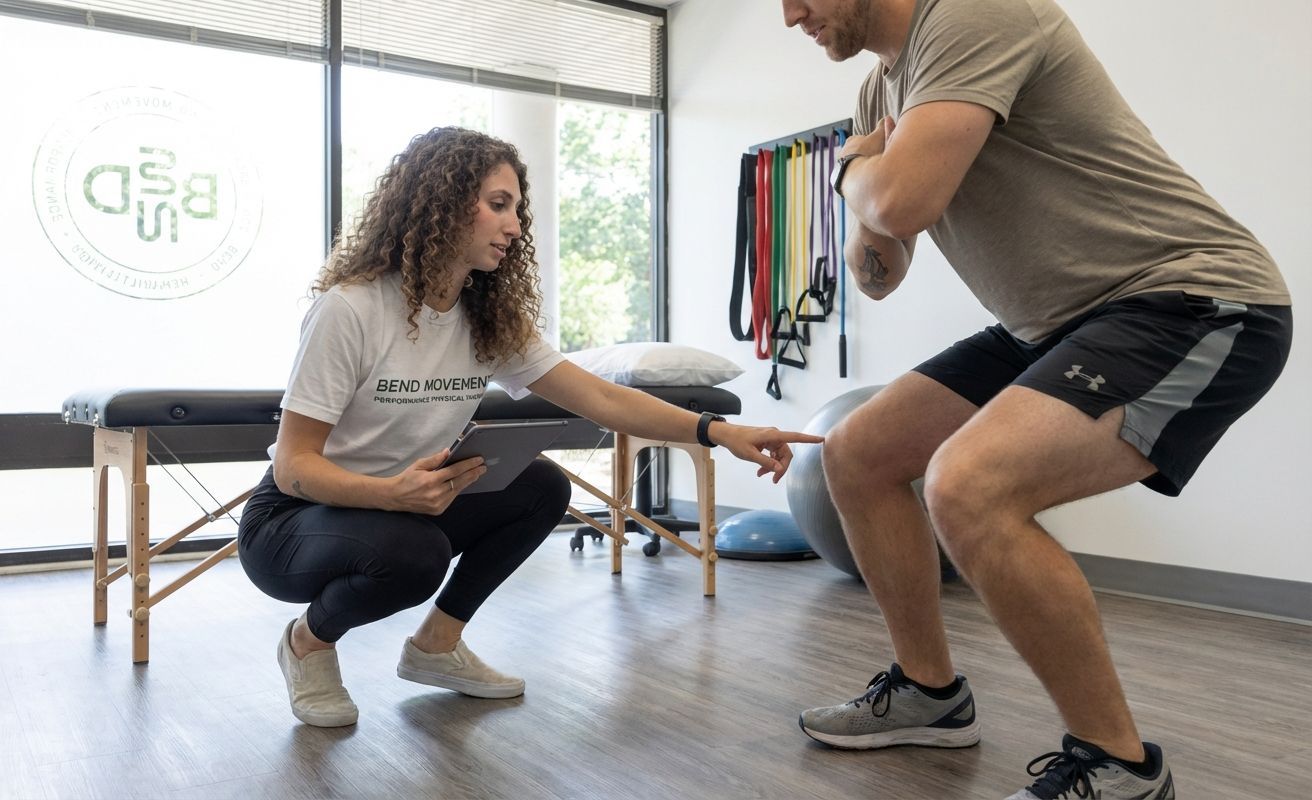
Care at Bend Movement also looks beyond the elbow. A movement screen can reveal contributing factors in your shoulder, neck, wrist, or grip mechanics. Because our therapists bring a background in strength and conditioning, we can also evaluate how your pulling volume, grip position, and barbell mechanics may be feeding the problem.
From there, we guide you through return-to-sport progressions so you are never guessing when to add weight, mileage, or racquet time.
What to Expect at Bend Movement in Henrico
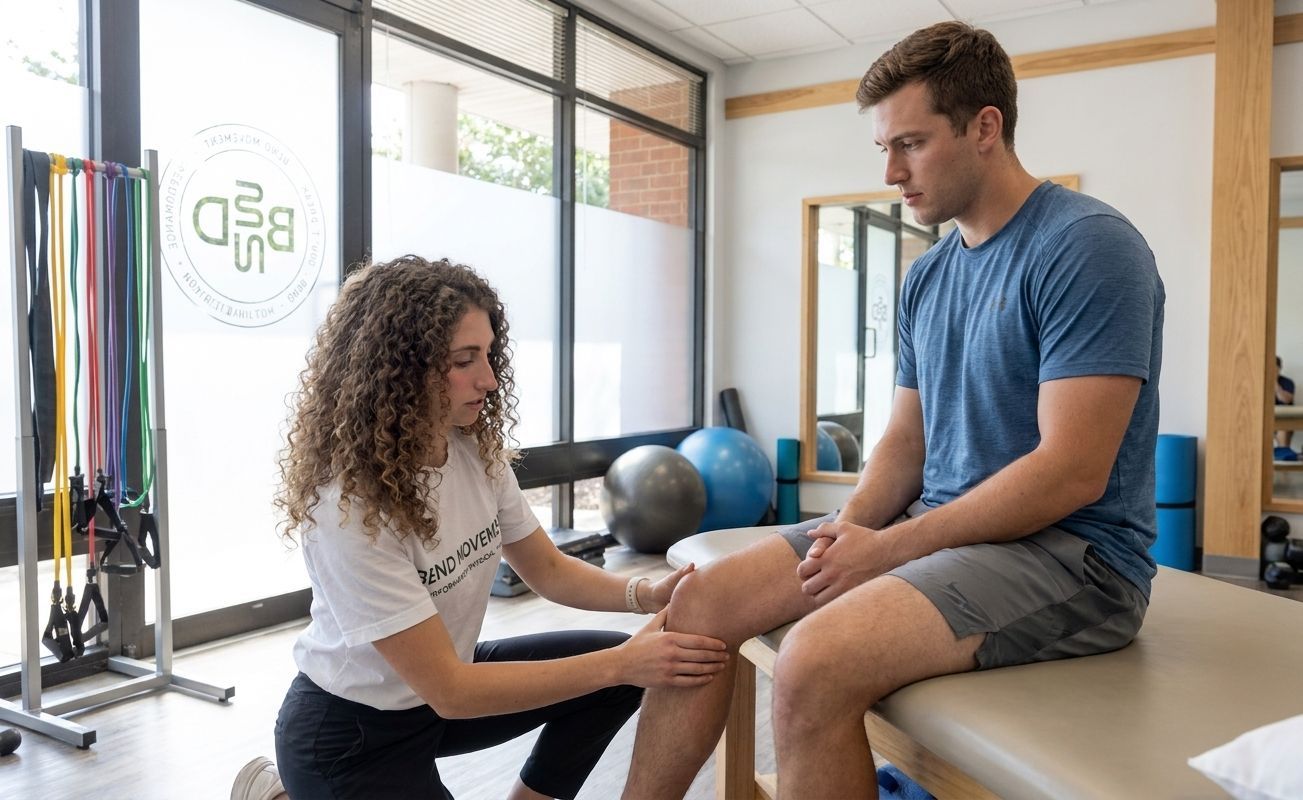
Every visit is a full 60-minute, one-on-one session with a Doctor of Physical Therapy. There are no aides and no double booking, so your time is never split.
Virginia is a direct access state, meaning you do not need a referral to get started. Your plan is built around your sport, your schedule, and your goals, whether that means getting back to the barbell, the court, or the trail.
If tennis elbow has been sidelining your training, you deserve real answers and a clear path forward. Reach out to Bend Movement today to talk through your symptoms and find out how we can help you get back to the activities you love.