How Long Does Physical Therapy Take to Work for Common Injuries? Your Roadmap Back to Peak Performance
Wondering how long physical therapy takes to work? Discover recovery timelines for common injuries and how our 1-on-1 performance PT in Henrico, VA speeds up results.
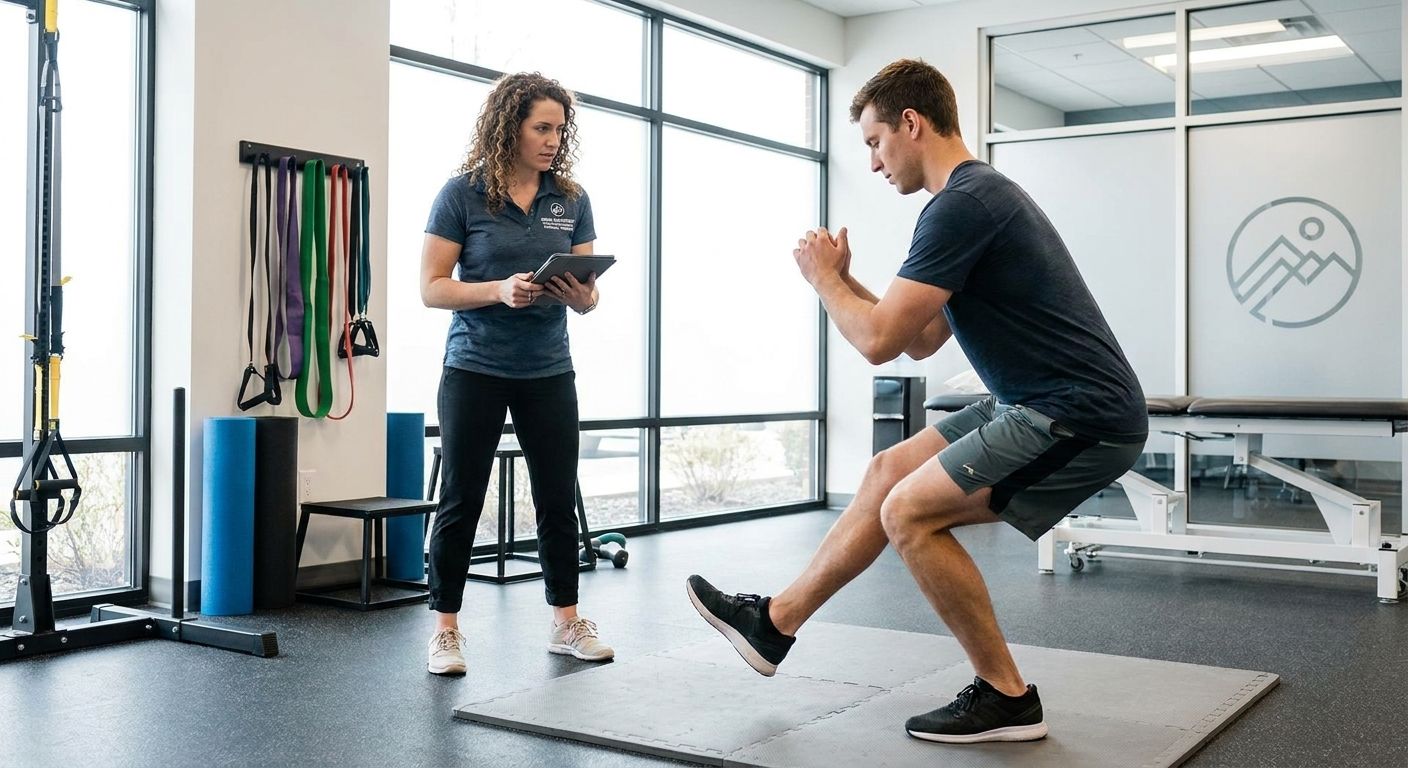
Being sidelined by an injury is incredibly frustrating, especially for dedicated athletes — runners, CrossFit enthusiasts, and anyone pushing their performance limits in Henrico, VA. You are not just dealing with pain; you are missing out on training, upcoming races, and the activities that define your lifestyle. The question on your mind is almost always the same: "How long until I am back?"
While there is no single answer that fits every situation, understanding the factors that shape your recovery can provide a much-needed roadmap. At Bend Movement, we focus on building a clear, personalized path back to strength, mobility, and confidence — one that is built around your unique goals and athletic demands.
Factors That Influence Your Recovery Timeline
Every body heals at a different rate, but several key variables consistently determine how quickly you can return to the gym, the trail, or the platform.
Injury Severity and Type
Newer, acute injuries often respond faster than long-standing chronic issues like persistent Achilles tendinopathy or IT band syndrome. The type of tissue involved also matters significantly. A minor hamstring strain typically heals faster than a complex ACL injury or significant structural damage. Blood supply to the affected area also plays a natural role in how quickly tissues can repair.
Consistency and Adherence to Your Program
Your progress is a partnership. Regularly performing your prescribed therapeutic exercises and stretches is essential for rebuilding strength and retraining movement patterns. Adhering to activity modifications — such as temporarily reducing running mileage or adjusting your lifting load — protects healing tissues and prevents setbacks. Inconsistent effort or skipping steps will inevitably extend your recovery timeline.
Your Overall Health and Lifestyle
Nutrition, sleep quality, and stress management all significantly impact your body's ability to repair itself. Your pre-injury fitness level and mental approach to recovery also matter. A proactive mindset and genuine dedication to the process can meaningfully accelerate your return to peak performance.
Common Injury Timelines: What Athletes Can Expect
While every individual is unique, the following general timelines reflect what athletes commonly experience when addressing injuries treated at Bend Movement.
Runner's Knee (Patellofemoral Pain)
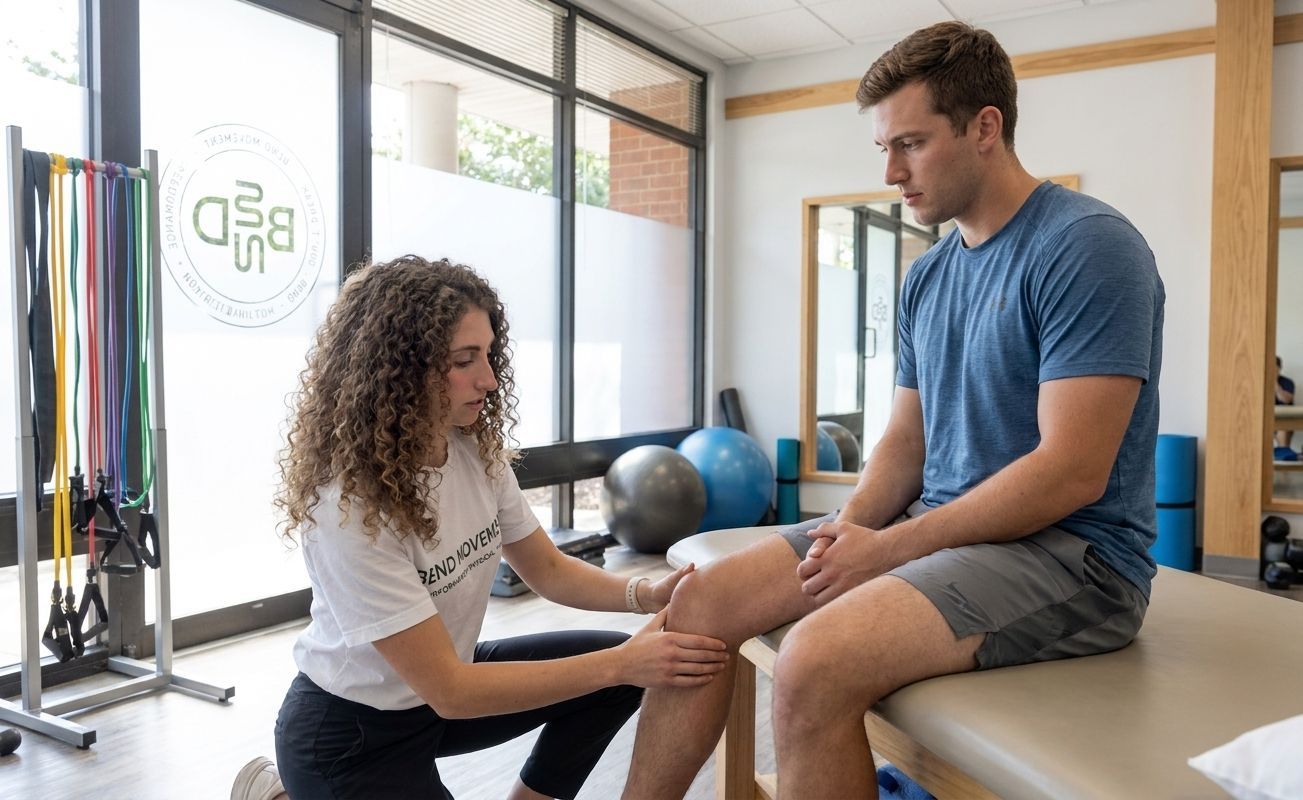
Runner's knee is one of the most common complaints among distance runners and high-volume athletes. Recovery typically progresses through three phases:
- Weeks 1 to 3: Focus on reducing irritation, managing load, and achieving initial pain relief through manual therapy and targeted therapeutic exercise.
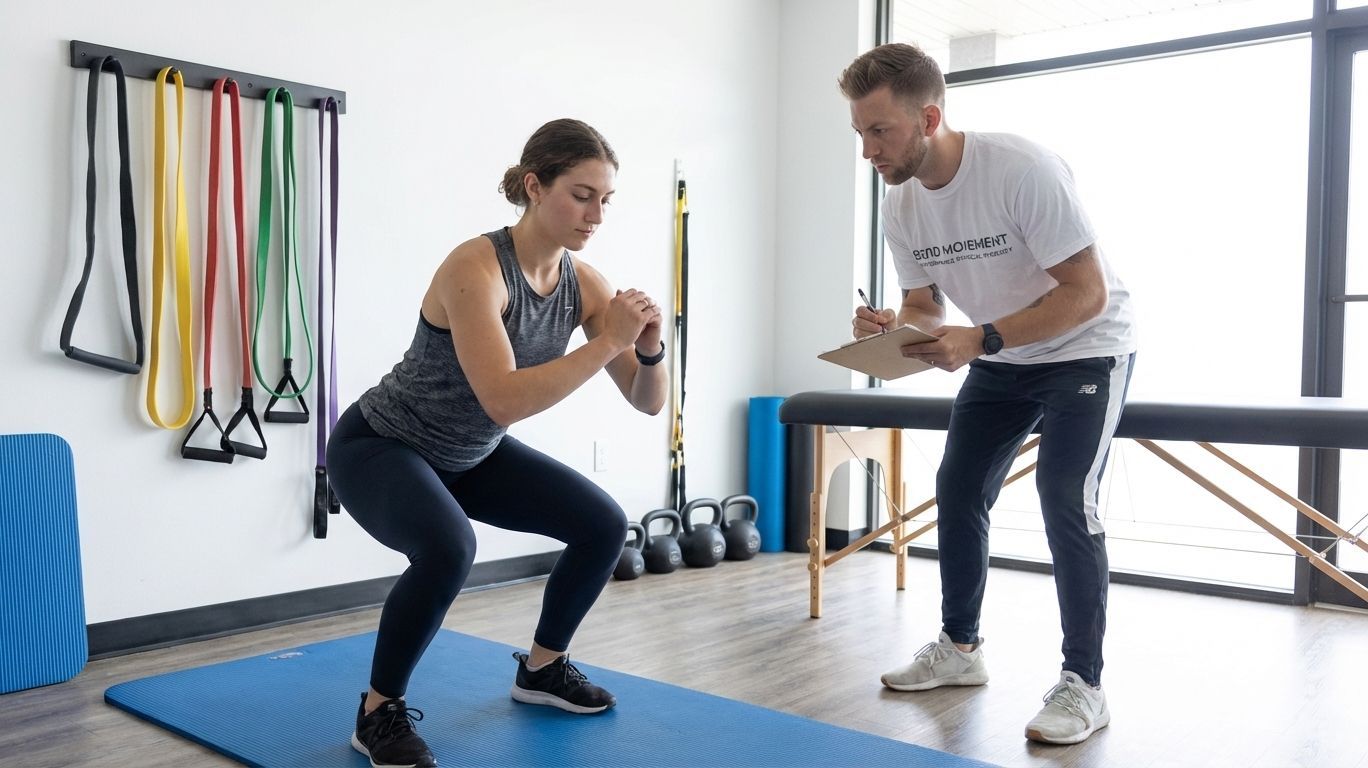
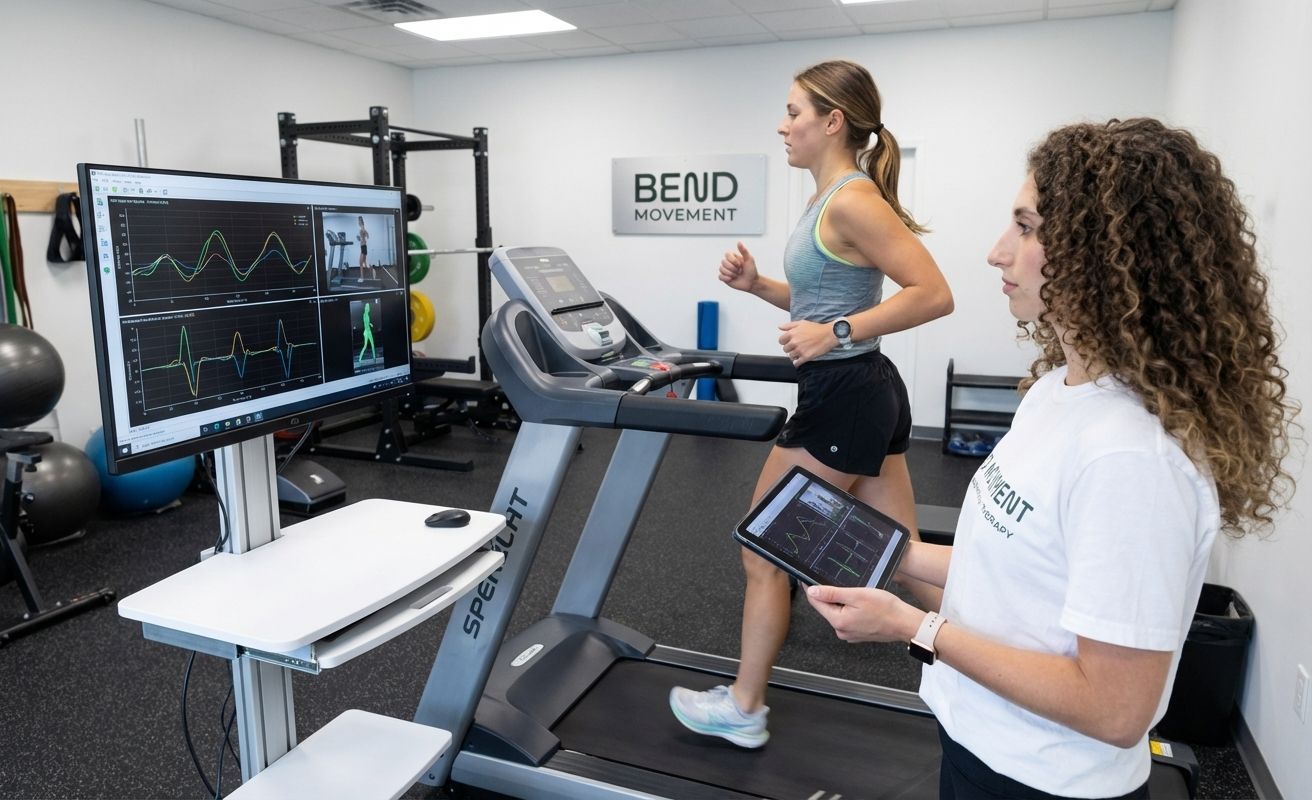
- Weeks 4 to 6: Meaningful strength gains emerge, and short pain-free runs become possible. A running gait analysis during this phase helps identify contributing movement faults.
- Weeks 8 to 12: Full return to sport, refined running mechanics, and long-term injury prevention strategies become the priority.
Rotator Cuff Strain or Tendinopathy
Rotator cuff pain and shoulder impingement are frequent challenges for CrossFit athletes and anyone performing overhead movements regularly. A general progression looks like this:
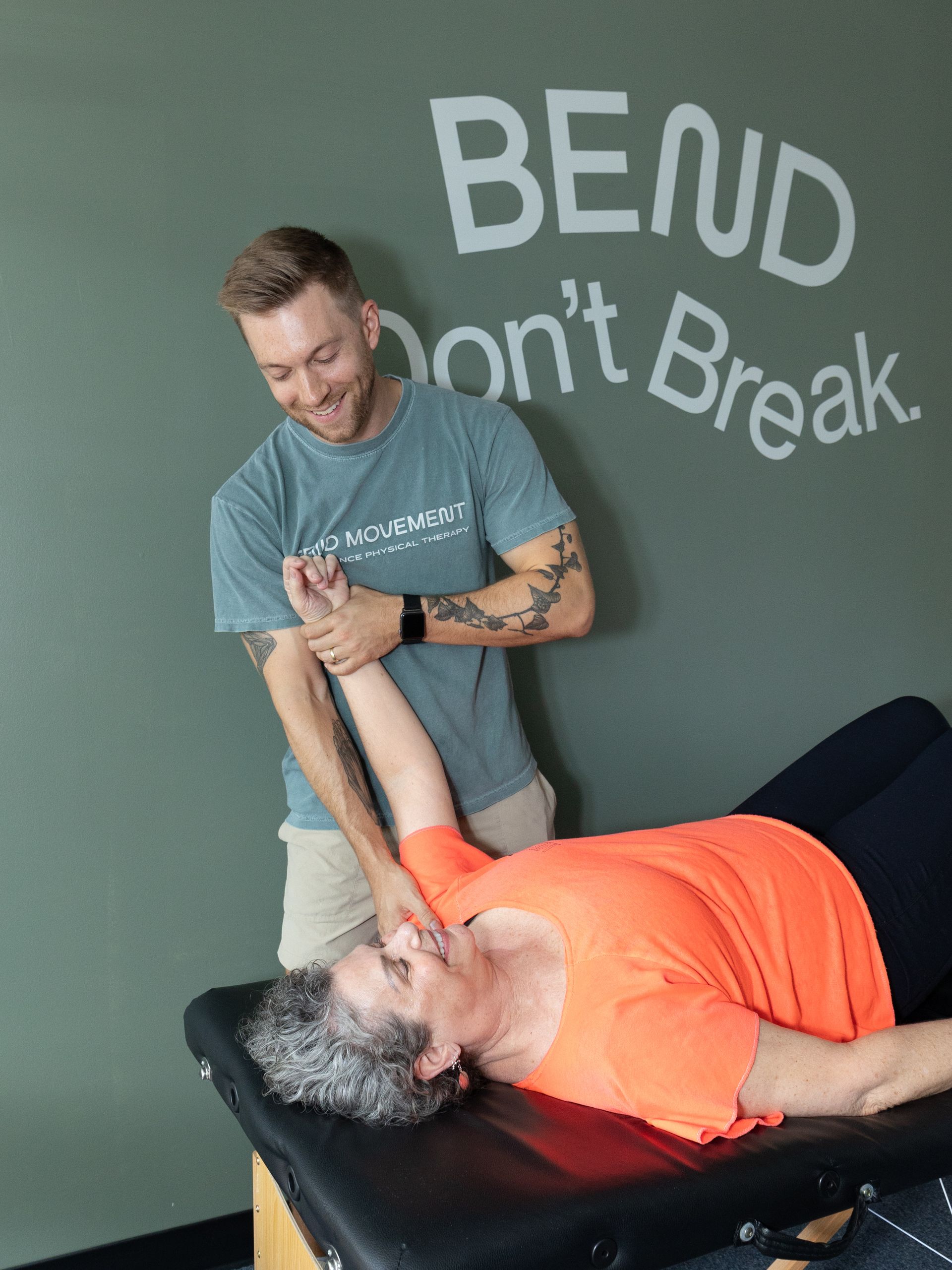
- Weeks 2 to 4: Improved shoulder range of motion through joint mobilization, soft tissue mobilization, and dry needling.
- Weeks 6 to 10: Baseline strength for pressing and pulling movements is restored through progressive strength and conditioning work.
- Weeks 12 to 16: Full overhead capacity and CrossFit readiness are achieved, with sport-specific movement patterns reinforced throughout.
Low Back Pain
Low back pain is among the most common reasons athletes seek orthopedic physical therapy. For non-surgical acute cases, recovery often follows this pattern:
- Weeks 1 to 2: Initial pain relief and improved movement quality through manual therapy and neuromuscular re-education.
- Weeks 3 to 6: Functional improvement and core stability become the focus, building the foundation for heavier loading.
- Week 8 and beyond: Return to high-impact lifting and performance physical therapy goals, with lifting mechanics refined to be more resilient than before the injury.
How Bend Movement Approaches Your Recovery
The standard physical therapy model often leaves athletes feeling like just another appointment on the schedule. At Bend Movement, the approach is built differently — designed specifically for athletes who want to return to sport stronger, not just symptom-free.
Dedicated One-on-One Sessions
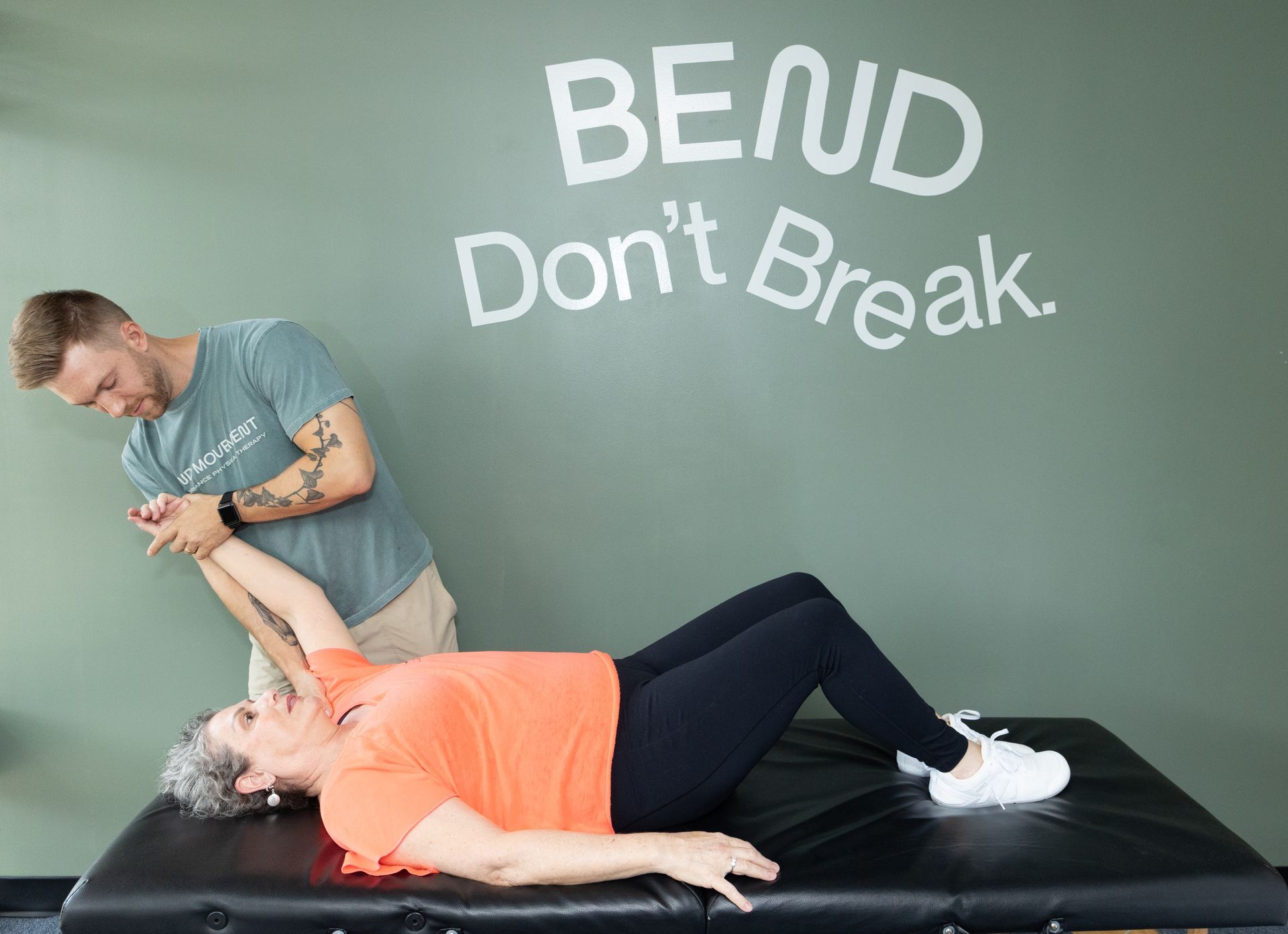
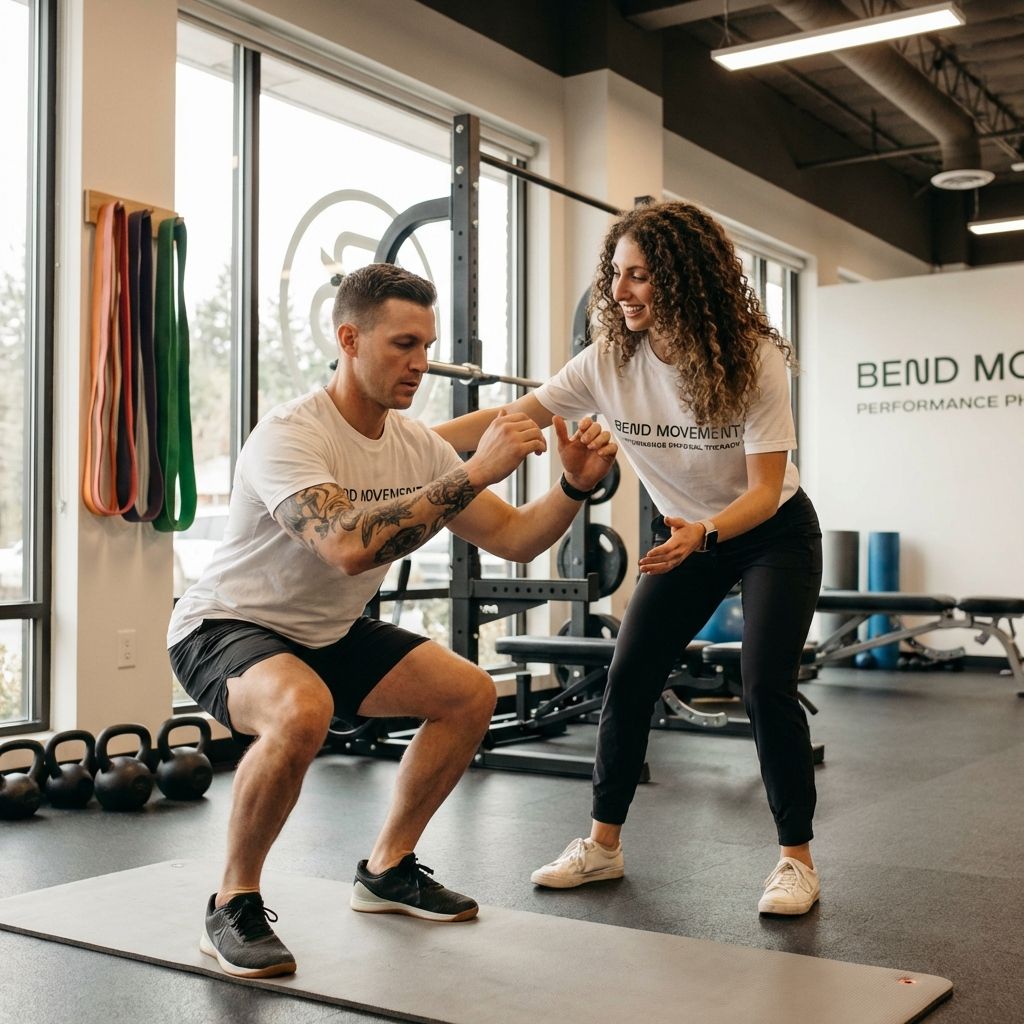
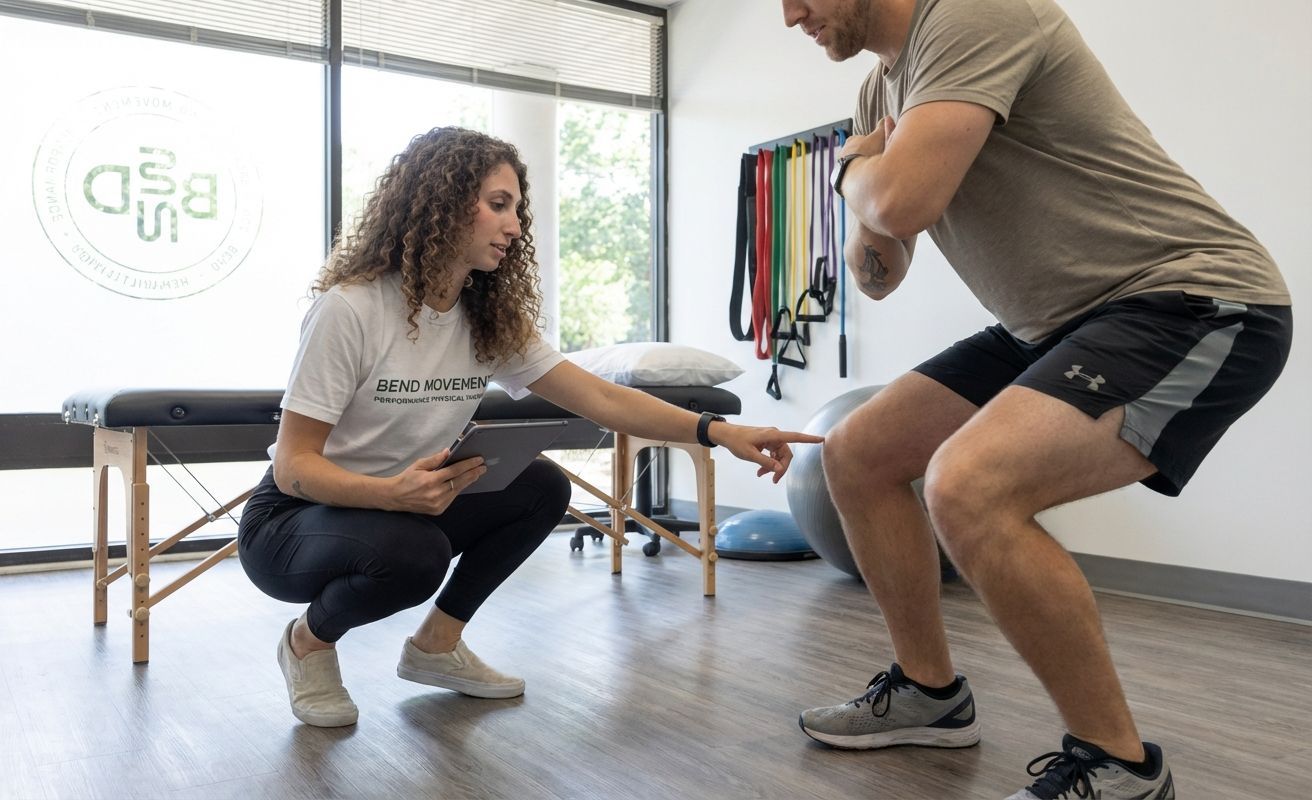
Every session at Bend Movement is focused entirely on you. This level of attention allows for thorough running form assessments, precise manual therapy, and personalized coaching that moves your recovery forward with every visit.
Root Cause Resolution
Treating symptoms alone rarely produces lasting results. Bend Movement works to identify why your injury occurred in the first place — whether that is a strength imbalance, a faulty movement pattern, or a biomechanical deficiency revealed through a movement screen. Addressing the root cause is what separates temporary relief from durable, long-term outcomes.
Performance-Focused Rehabilitation
Recovery at Bend Movement is not simply about getting out of pain. It is about returning to your sport at full capacity. Sport-specific movements and strength and conditioning are integrated early in the rehabilitation process, using tools like plyometrics and return-to-sport progressions and return-to-sport testing to ensure your body is genuinely ready — not just cleared on paper.
Beyond the Recovery Timeline
True athletic recovery is not a finish line. It is a transition into a higher level of performance and body awareness. At Bend Movement, the goal extends beyond your discharge date. You leave equipped with the self-management tools and movement knowledge to maintain your gains and proactively reduce the risk of future injury.
For athletes in Henrico, VA who are serious about their training, prehabilitation, injury prevention programming, and ongoing sports performance training are natural extensions of the rehabilitation process — not afterthoughts.
If you are ready to stop guessing about your recovery and start following a professional plan, Bend Movement is here to help. Contact us today to schedule your evaluation in Henrico, VA, and take the first step back toward doing what you love.