Why Every Athlete Should Include Physical Therapy in Their Recovery Plan
Whether you're a weekend warrior or a seasoned competitor, recovery is just as critical to your performance as training. Sports physical therapy (PT) provides a structured, science-backed approach to recovery that helps athletes regain strength, mobility, and confidence after an injury or intense performance cycle.
Rather than relying solely on rest or generalized rehabilitation, physical therapy delivers a personalized plan tailored to your sport, injury history, and goals. This means faster healing, better movement patterns, and a more sustainable return to activity.
READ: From Stiff and Stuck to Moving Freely Again: John’s Low Back Story
Beyond treating injury, PT supports tissue healing by addressing muscular imbalances, joint restrictions, and neuromuscular coordination — all factors that affect how your body recovers and performs. Working with a physical therapist ensures you’re not just feeling better, but moving better.
Common Injuries Treated with Sports Physical Therapy
Athletes place unique demands on their bodies, which makes them more prone to specific injuries that require targeted care. Sports physical therapy addresses a wide range of musculoskeletal issues that can arise from training, competition, or overuse.
Some of the most common conditions treated include:
- Sprains and strains: Soft tissue injuries, especially to the ankles, knees, and shoulders, are frequent among athletes of all levels.
- Tendonitis and overuse injuries: Repetitive motion in sports like running, tennis, and swimming can lead to chronic inflammation or tendon overload.
- Post-surgical rehab: Whether it’s an ACL repair or rotator cuff surgery, sports PT helps guide recovery and ensures a safe return to play.
- Back and neck pain: Poor mechanics, muscle imbalances, or collisions can lead to spinal discomfort that limits performance.
- Joint instability or dislocation: Common in contact sports, these injuries require neuromuscular retraining to restore stability and prevent recurrence.
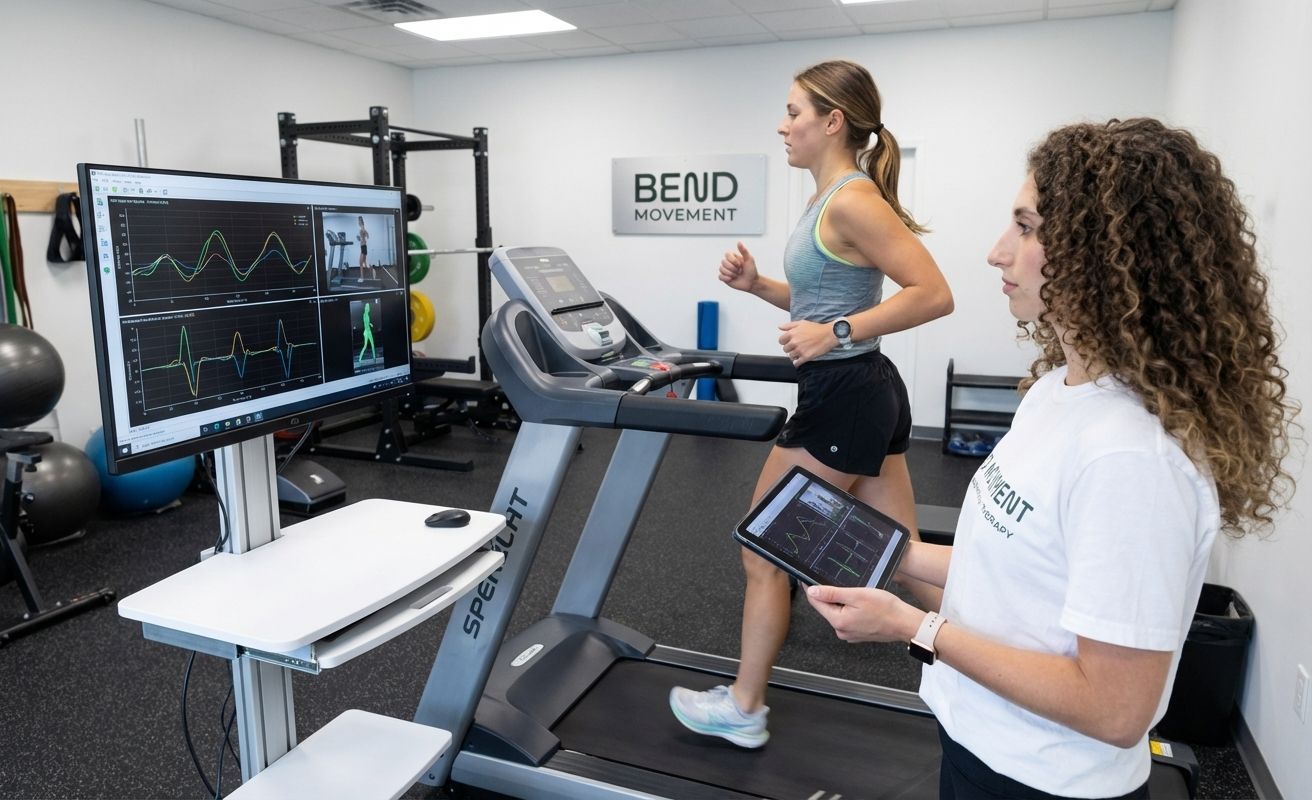
At Bend PT in Richmond, sports therapy goes beyond simply managing symptoms. Each injury is assessed with a detailed movement analysis to uncover root causes, helping athletes return stronger and more resilient than before.
The Role of PT in Preventing Re-Injury
Recovering from an injury is only half the battle — staying injury-free is where true progress lies. Sports physical therapy plays a critical role in preventing future setbacks by addressing the underlying dysfunctions that often go unnoticed during training or competition.
READ: Movement Snacks: Small Bites of Motion for a Healthier Day
Many athletic injuries stem from poor biomechanics, muscle imbalances, or incomplete healing. A skilled physical therapist doesn’t just treat the injured area; they assess the entire kinetic chain — from how your foot strikes the ground to how your hips and core stabilize during movement. This whole-body approach uncovers weak links that can compromise performance and lead to re-injury.
Customized exercise programming is another key component. At Bend PT, athletes receive individualized training plans designed to restore functional strength, improve mobility, and build resilience in sport-specific movement patterns. This proactive approach ensures that athletes not only return to their sport safely but with a reduced risk of future injury.
Consistent check-ins and progress monitoring also keep recovery on track, providing athletes with the long-term support they need to keep moving forward — not back.
What to Expect from a Sports Physical Therapy Session
If you’ve never worked with a sports physical therapist before, you might be surprised by how comprehensive and hands-on each session can be. Unlike standard rehab clinics, cash-based providers like Bend PT focus on one-on-one care, giving athletes the time and attention needed to make meaningful progress.
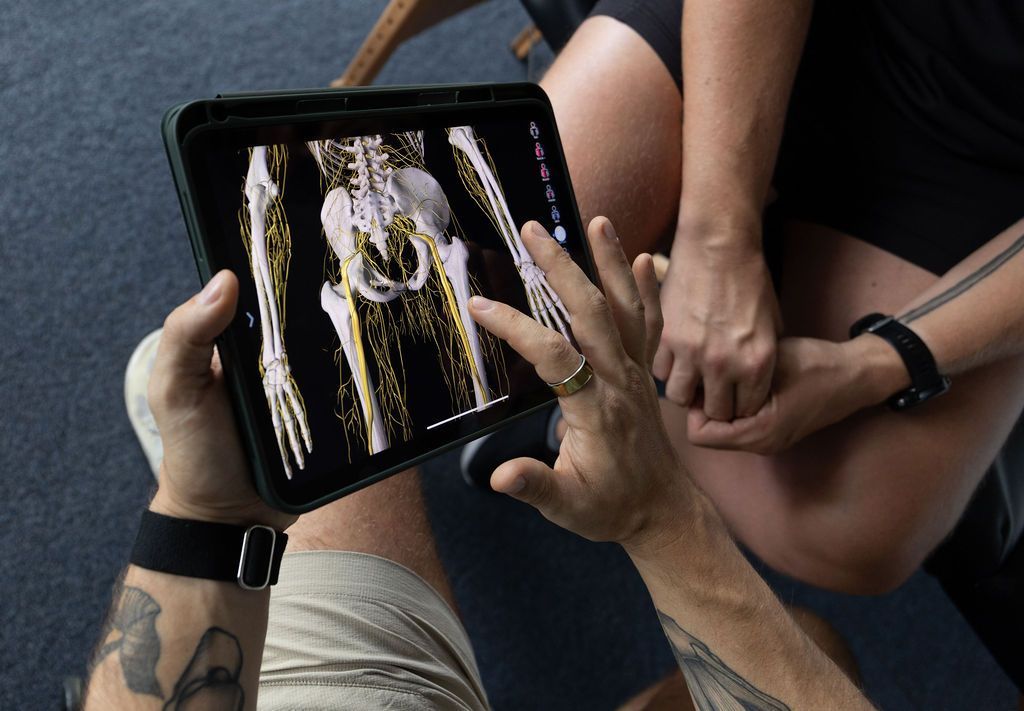
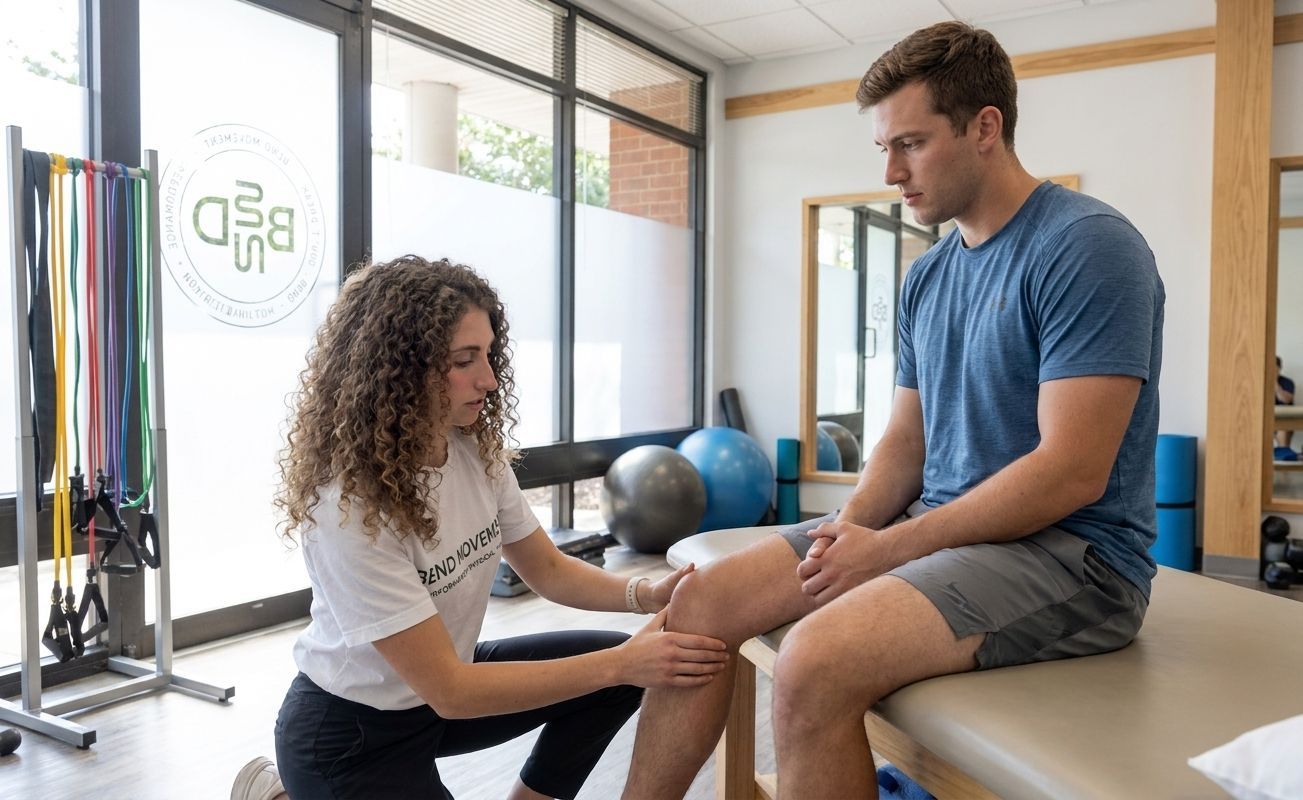
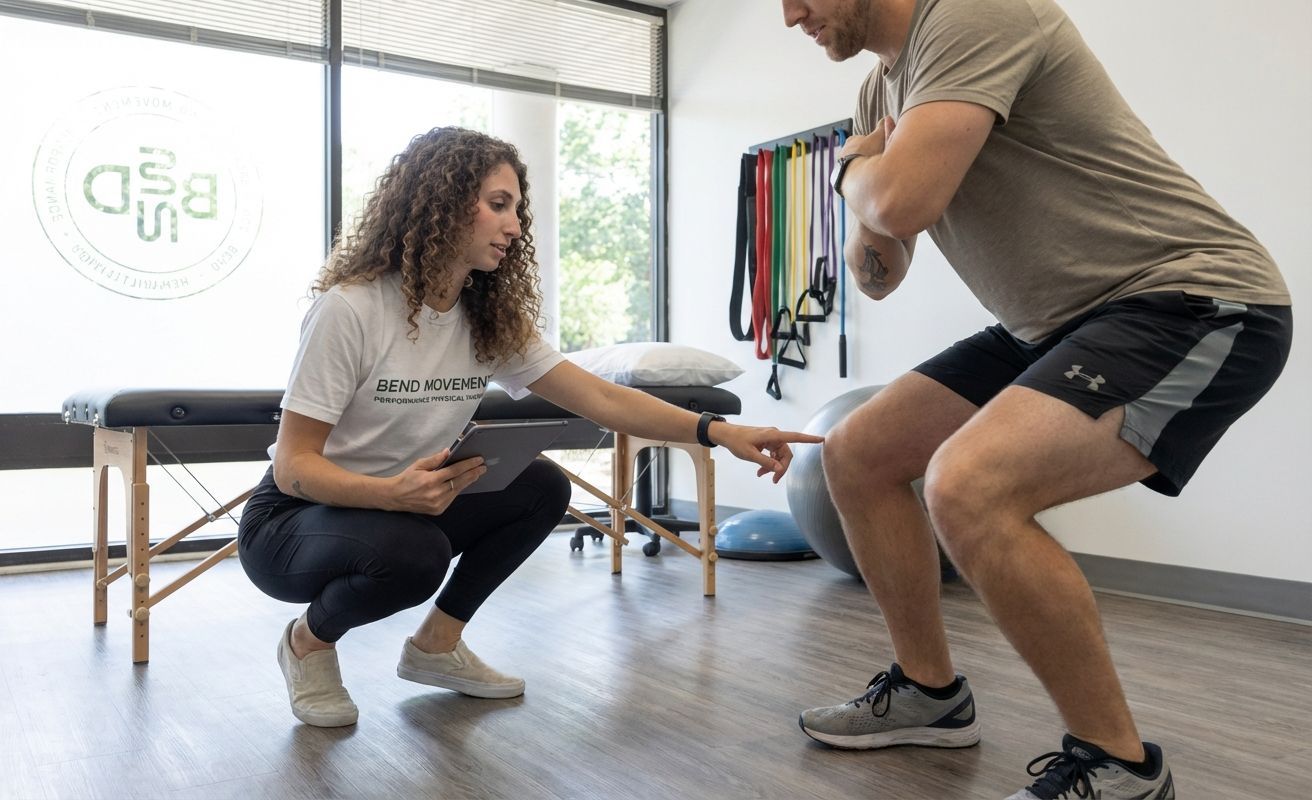
At your first session, your physical therapist will perform a thorough evaluation. This includes reviewing your injury history, assessing your movement patterns, testing joint mobility and muscle strength, and identifying any compensations that may be holding you back.
From there, you’ll receive a customized treatment plan that could include:
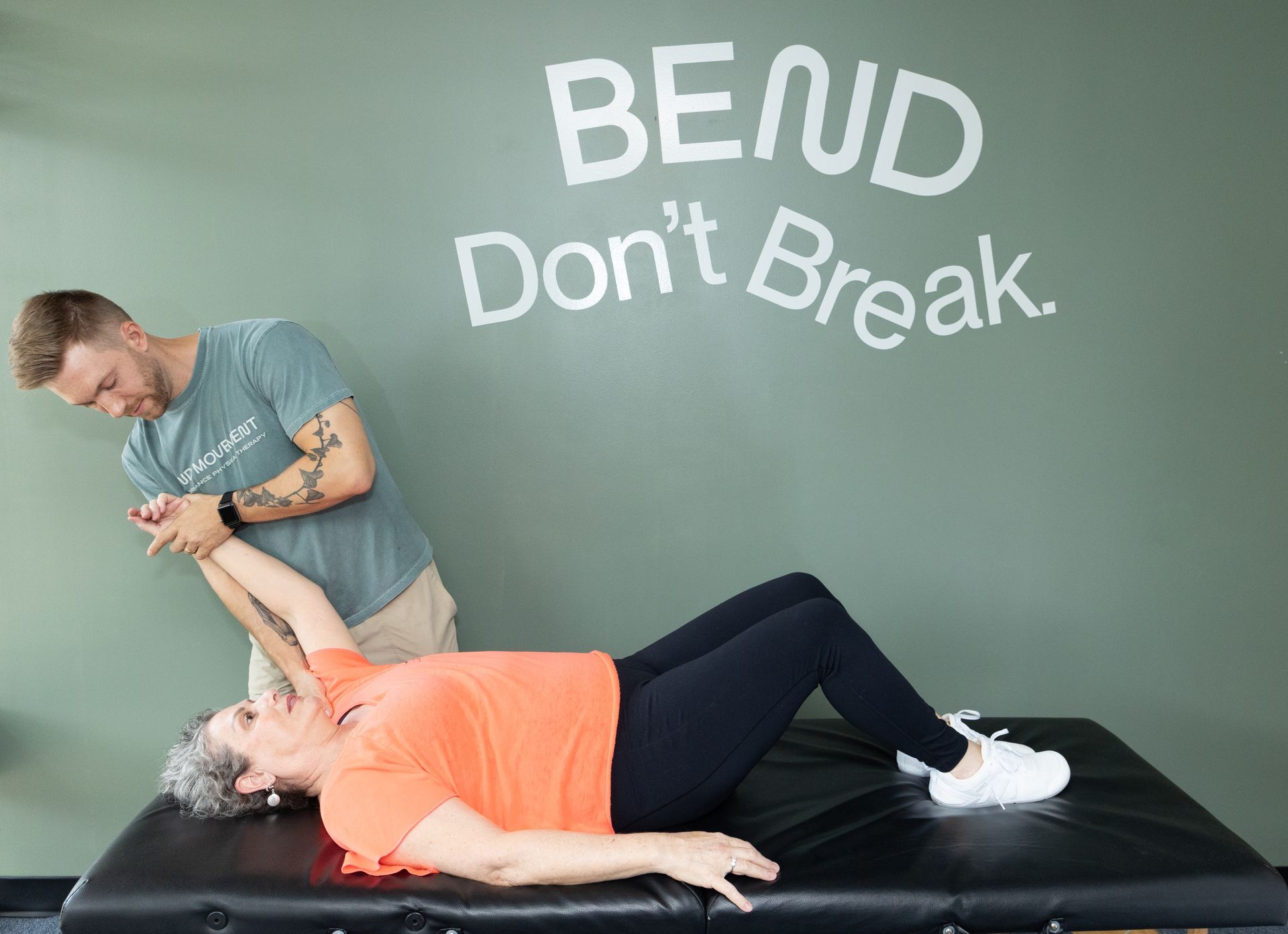
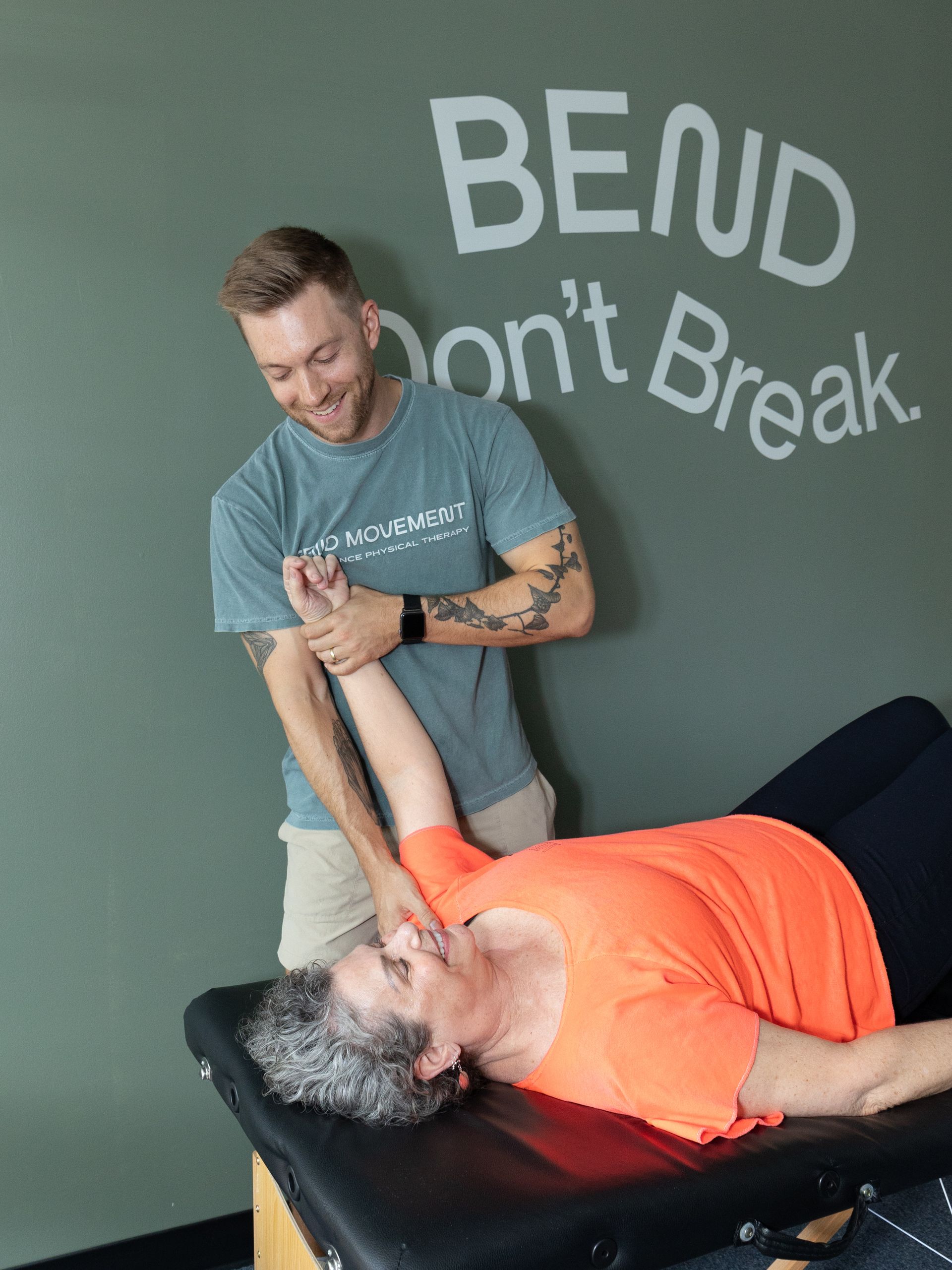
- Manual therapy techniques to reduce pain and improve mobility
- Corrective exercises to retrain movement patterns
- Strength training tailored to your sport
- Neuromuscular re-education for balance, coordination, and control
- Recovery tools like soft tissue work or mobility drills
Each session is designed to evolve with your progress, ensuring that you’re consistently challenged and moving toward your goals. Whether you’re rehabbing from an injury or optimizing your performance, sports PT offers a clear, structured path forward.
Why Choose a Cash-Based PT Clinic Like Bend PT
Athletes need personalized, efficient care — and that’s exactly what a cash-based clinic like BendPT offers. Unlike traditional insurance-based models, where sessions are often rushed or limited by coverage restrictions, cash-based physical therapy allows for longer, more focused appointments tailored to your needs.
READ: How Dry Needling Can Help with Chronic Pain Relief
At Bend PT in Richmond, each visit is a one-on-one session with a licensed physical therapist who specializes in sports recovery and performance. This model not only improves outcomes but also provides a level of continuity and accountability that’s hard to find elsewhere.
Athletes at Bend PT benefit from:
- Individualized treatment plans that evolve with their progress
- Direct access to their PT without needing a referral
- A collaborative environment focused on long-term health and performance
- Education and tools that empower athletes to take control of their recovery
When you choose a cash-based provider, you're investing in a more effective and proactive approach to care — one that supports your goals, respects your time, and delivers results that matter on and off the field