Unraveling the Evolutionary Mismatch: Navigating the Discrepancy Between Ancient Biology and Modern Technology

February 15, 2024

Unraveling the Evolutionary Mismatch: Navigating the Discrepancy Between Ancient Biology and Modern Technology


Human evolution is a marvel that has shaped us over millions of years, molding our bodies and minds to thrive in the conditions of our ancestors. However, the rapid advancement of technology has ushered in a new way of life that often conflicts with our ancient biology. This phenomenon is known as "evolutionary mismatch," a concept that sheds light on the challenges arising from the disconnect between our ancestral heritage and the modern world. In this article, we'll explore the fascinating concept of evolutionary mismatch and delve into how technology has given rise to a lifestyle our bodies are not adapted to handle.


The Legacy of Our Ancestors


For the majority of human history, our ancestors lived in environments vastly different from our modern world. They relied on physical activity, connectedness with nature, and a diet primarily composed of natural, unprocessed foods. Our bodies and minds evolved to excel in these conditions, with traits that aided survival and reproduction.


The Clash with Modern Technology


While technology has improved our lives in countless ways, it has also led to a misalignment between our biology and our environment:


Sedentary Lifestyle: Our bodies are adapted for movement, yet many modern jobs and activities are sedentary, leading to health issues like obesity, cardiovascular diseases, and musculoskeletal disorders.


Artificial Light: Our circadian rhythms are synchronized with natural light cycles. Exposure to artificial light at night disrupts sleep patterns, potentially leading to sleep disorders and negative impacts on mental health.


Processed Foods: Our bodies evolved to process whole foods, yet modern diets are often high in processed and sugary foods, contributing to chronic health conditions like diabetes and obesity.


Information Overload: Our minds evolved to process information at a different pace, but the constant barrage of information from technology can lead to stress, anxiety, and cognitive overload.


Impacts on Physical and Mental Health


The mismatch between our biology and modern living has far-reaching implications:


Physical Ailments: Evolutionary mismatch contributes to lifestyle-related diseases, such as diabetes, heart disease, and musculoskeletal pain.


Mental Health: The fast-paced, always-connected lifestyle can lead to mental health issues like anxiety, depression, and reduced well-being.


Sleep Disruption: Exposure to screens and artificial light can interfere with sleep quality and lead to sleep disorders.


Disconnection from Nature: Spending less time in natural environments can contribute to a lack of nature-related benefits for mental and physical health.


Strategies for Reconciliation


While we can't reverse technological progress, we can adopt strategies to mitigate the effects of evolutionary mismatch:


Mindful Technology Use: Set boundaries for screen time and digital engagement to reduce information overload and stress.


Physical Activity: Prioritize regular movement and exercise to counteract the effects of a sedentary lifestyle.


Balanced Diet: Choose whole, unprocessed foods that align with our evolutionary dietary adaptations.


Sleep Hygiene: Establish a consistent sleep routine and limit screen exposure before bedtime.


Nature Connection: Spend time outdoors, engage in nature-related activities, and incorporate green spaces into your environment.


As we navigate the intricacies of modern life, it's essential to recognize the concept of evolutionary mismatch and its implications on our health and well-being. Embracing strategies that align with our ancient biology can help us strike a balance between the benefits of technology and the needs of our bodies and minds. By cultivating mindfulness, physical activity, balanced nutrition, sleep hygiene, and a connection with nature, we can bridge the gap between our ancestral heritage and the rapidly evolving world around us.


Remember that while we've advanced technologically, our evolutionary journey is ongoing. Let's strive for harmony between our ancient biology and the modern world, and in doing so, forge a path to a healthier, more balanced life.


Adapt, evolve, and navigate the complexities of our modern era with the wisdom of our evolutionary past as your guiding compass. For help on reading that compass, work with an experienced doctor of Physical Therapy at Bend Movement. We can help you navigate the mismatch between modern life and how our body evolved to function, and help you restore that balance.
By BEN KLINGELHOFER December 15, 2025
Discover what makes a PT clinic the best for active adults and athletes in Richmond. Specialized care for performance, CrossFit, and running.
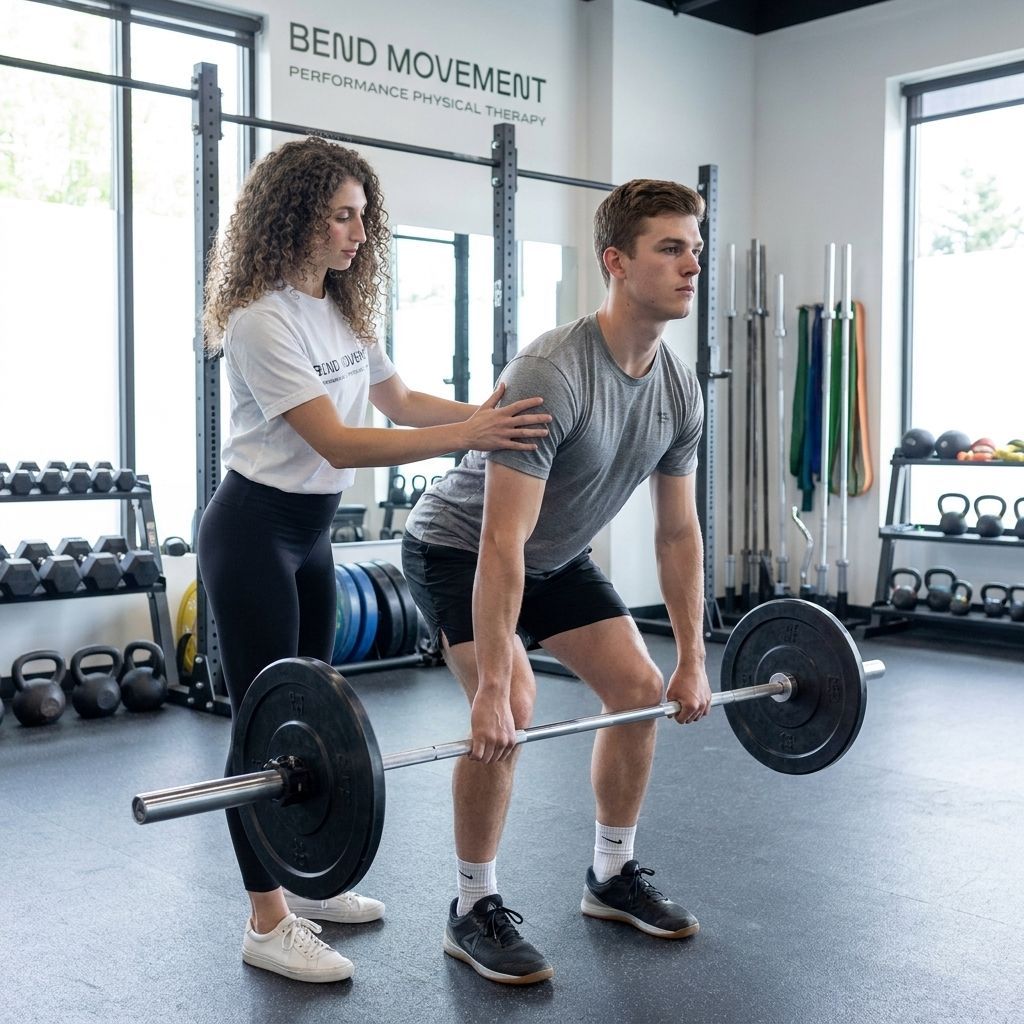
Patient receiving one-on-one physical therapy assessment and movement evaluation at Bend Movement in
By BEN KLINGELHOFER November 18, 2025
Unlock your full potential with personalized physical therapy in Henrico, VA. Bend Movement offers one-on-one sessions, dry needling, and sports performance optimization.
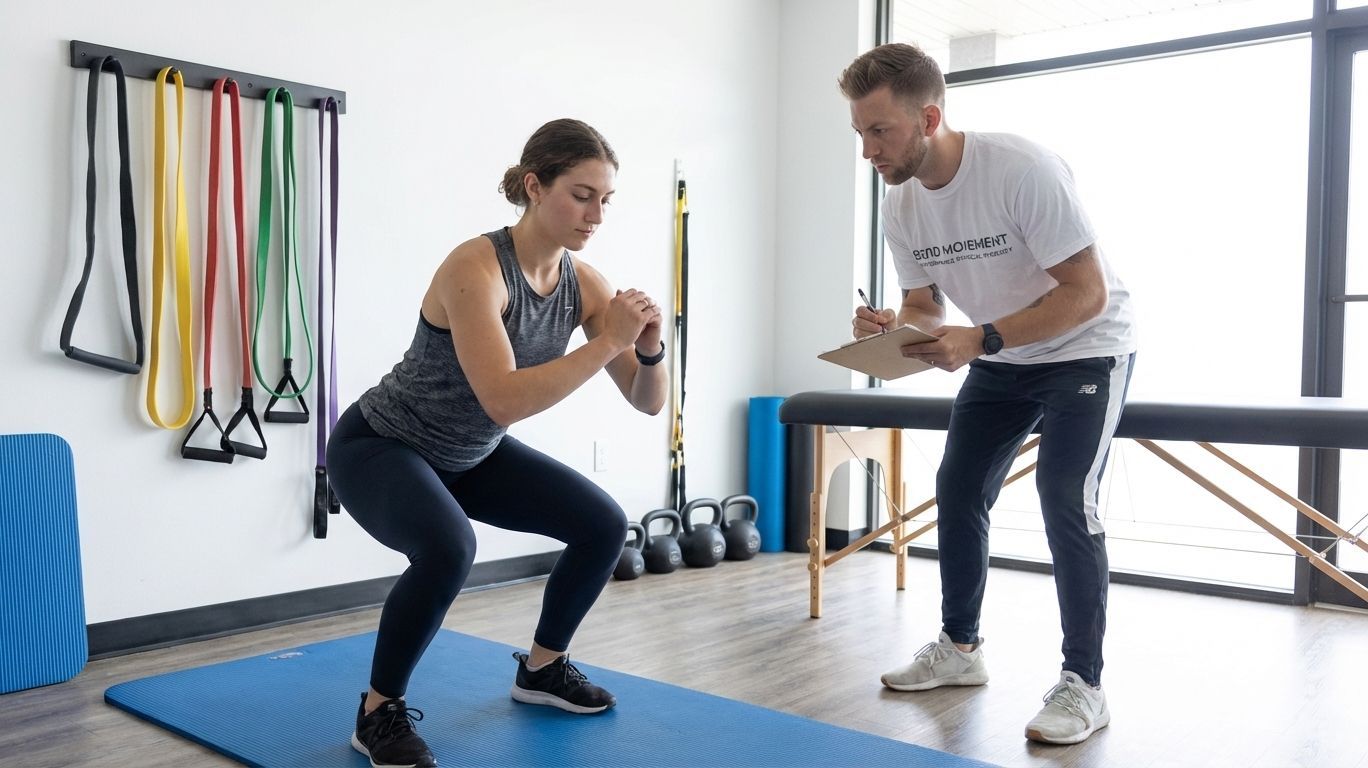
Richmond athlete undergoing movement analysis and sports rehabilitation assessment with physical the
By BEN KLINGELHOFER November 4, 2025
Discover why Richmond athletes trust Bend Movement for sports physical therapy. Our cash-based model ensures personalized care for faster recovery and peak performance.
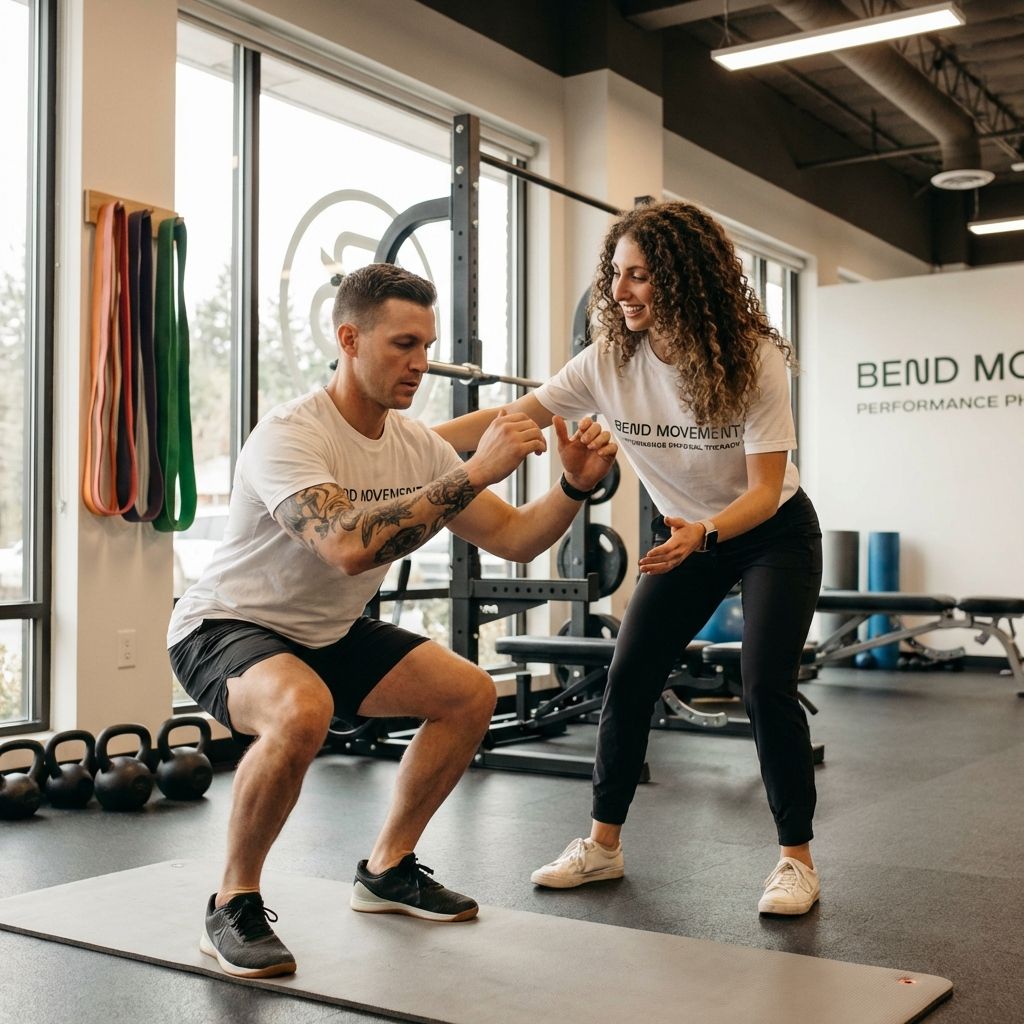
Richmond sports physical therapist conducting comprehensive movement assessment with athlete in mode
By BEN KLINGELHOFER November 4, 2025
Discover what to expect from sports physical therapy at Bend Movement in Richmond, VA. Learn about our personalized recovery plans and one-on-one care.
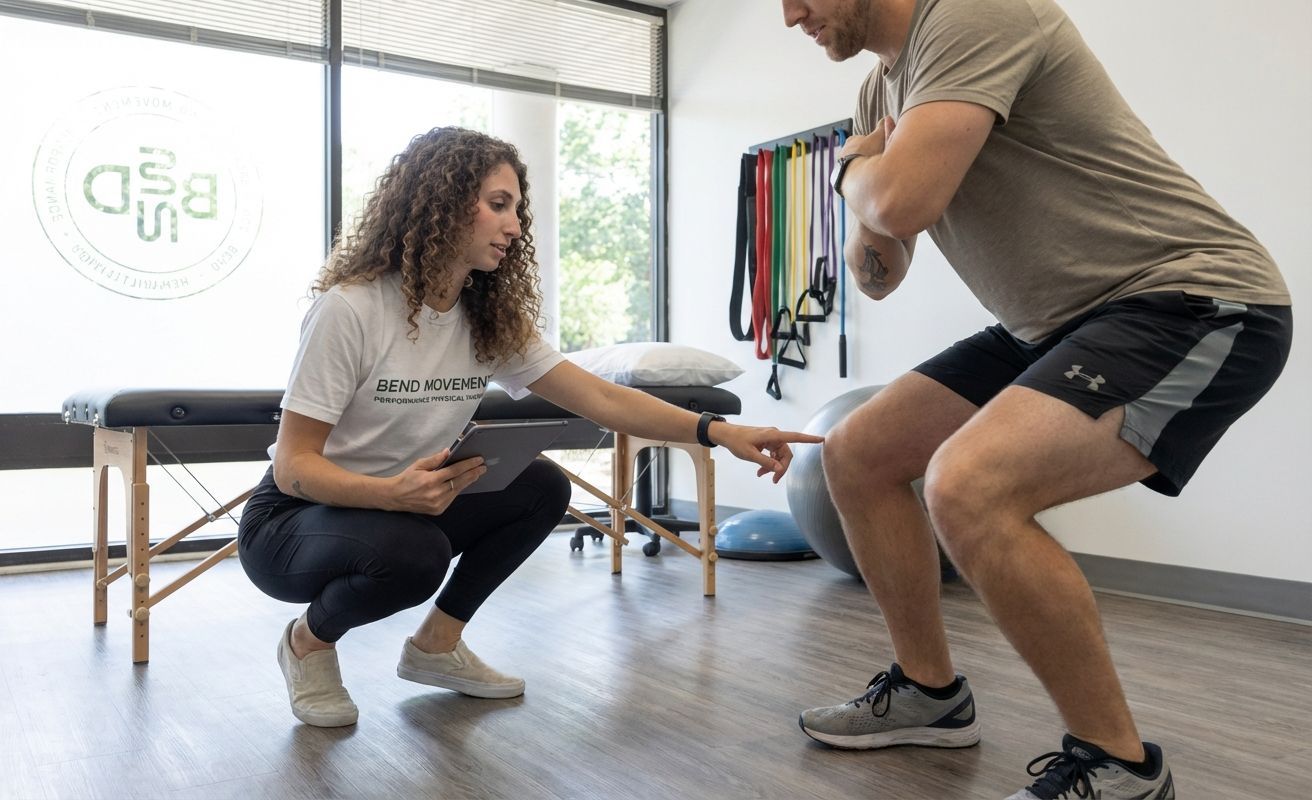
sports physical therapy
By BEN KLINGELHOFER September 18, 2025
For many athletes, physical therapy is something they consider only after an injury. But limiting PT to recovery alone overlooks one of its greatest strengths — performance optimization. Whether you're competing at an elite level or training for your next weekend race, working with a sports physical therapist can help you move more efficiently, train smarter, and perform at your highest potential. READ: How Dry Needling Can Help with Chronic Pain Relief Performance gains aren’t just about adding strength or speed — they’re about improving the way your body functions as a whole. PT helps identify movement inefficiencies, address imbalances, and refine motor control, all of which can have a direct impact on performance outcomes. In a competitive environment where every second counts, investing in your movement quality can be the difference between plateauing and pushing through to your next personal best. How Sports Physical Therapy Enhances Athletic Performance Sports physical therapy isn’t just about getting you back to baseline — it’s about pushing you beyond it. At its core, performance-focused PT is designed to fine-tune the body for the demands of your sport, helping you train more effectively and compete more efficiently. A skilled sports physical therapist evaluates your unique movement patterns, joint mobility, muscle activation, and biomechanics to uncover areas where you're losing power, efficiency, or control. From there, they create a custom plan that targets those limitations through a combination of: Sport-specific strength and conditioning Mobility and flexibility work Neuromuscular training Functional movement correction These interventions aren’t general fitness routines — they’re precise, data-informed strategies to maximize your output while reducing the physical stress that leads to overuse or injury. At Bend PT in Richmond , athletes of all levels work one-on-one with clinicians who understand the demands of sport. Whether you're sprinting, lifting, cutting, or jumping, physical therapy helps ensure every movement is optimized for performance. READ: From Stiff and Stuck to Moving Freely Again: John’s Low Back Story Key Differences Between Rehab and Performance-Focused PT While both rehabilitation and performance physical therapy share a foundation in movement science, their goals — and how they’re approached — differ in meaningful ways. Rehab PT is reactive. It focuses on helping an athlete recover from an injury, reduce pain, and restore basic function. The primary goal is to get you back to where you were before the injury. Performance PT , on the other hand, is proactive. It’s built around optimizing how your body moves and functions before injury occurs. This means fine-tuning strength, coordination, stability, and efficiency to help you reach your peak — not just return to normal. In a performance-focused session at Bend PT, your therapist might analyze video of your sprint mechanics, assess how your hips load during squats, or test how your core responds under fatigue. These are the details that separate good athletes from great ones — and they’re exactly what this kind of PT is designed to improve. Simply put, rehab gets you back in the game. Performance PT helps you change the way you play it. Real Results: What Athletes Can Gain from PT at Bend PT At Bend PT in Richmond, performance physical therapy is more than just theory — it’s a results-driven process that empowers athletes to move better, train harder, and recover smarter. Here’s what athletes consistently gain from working with our team: Increased power and efficiency through refined movement mechanics Improved balance and coordination , translating to quicker reaction times and better control Enhanced mobility and flexibility that supports more fluid, injury-resistant motion Greater body awareness for smarter, more intentional training Fewer setbacks , thanks to proactive strategies that reduce injury risk These outcomes aren’t reserved for elite athletes. Runners, lifters, cyclists, and weekend warriors all benefit from a customized approach that treats their body like the performance machine it is. Whether your goal is to shave time off your mile, improve your deadlift, or stay in the game longer — sports PT provides the structure and strategy to help you get there. Choosing a Cash-Based PT Model for Better Performance Outcomes When it comes to optimizing athletic performance, time and quality matter. Cash-based physical therapy offers a level of care that’s often missing in traditional models — and that can make all the difference in your results. READ: Movement Snacks: Small Bites of Motion for a Healthier Day At Bend PT , athletes receive uninterrupted one-on-one sessions with a licensed physical therapist . There are no rushed appointments, no handoffs to aides, and no insurance constraints limiting what your body needs. This structure allows for deeper assessments, more personalized plans, and the ability to focus on performance — not just pain relief. You’ll work directly with a clinician who understands your sport, your goals, and how to help you move better with purpose. The result? A more efficient path to peak performance with fewer barriers and better outcomes. Choosing a cash-based model means choosing care that’s built around you — not a billing code.
September 18, 2025
Whether you're a weekend warrior or a seasoned competitor, recovery is just as critical to your performance as training. Sports physical therapy (PT) provides a structured, science-backed approach to recovery that helps athletes regain strength, mobility, and confidence after an injury or intense performance cycle. Rather than relying solely on rest or generalized rehabilitation, physical therapy delivers a personalized plan tailored to your sport, injury history, and goals. This means faster healing, better movement patterns, and a more sustainable return to activity. READ: From Stiff and Stuck to Moving Freely Again: John’s Low Back Story Beyond treating injury, PT supports tissue healing by addressing muscular imbalances, joint restrictions, and neuromuscular coordination — all factors that affect how your body recovers and performs. Working with a physical therapist ensures you’re not just feeling better, but moving better. Common Injuries Treated with Sports Physical Therapy Athletes place unique demands on their bodies, which makes them more prone to specific injuries that require targeted care. Sports physical therapy addresses a wide range of musculoskeletal issues that can arise from training, competition, or overuse. Some of the most common conditions treated include: Sprains and strains: Soft tissue injuries, especially to the ankles, knees, and shoulders, are frequent among athletes of all levels. Tendonitis and overuse injuries: Repetitive motion in sports like running, tennis, and swimming can lead to chronic inflammation or tendon overload. Post-surgical rehab: Whether it’s an ACL repair or rotator cuff surgery, sports PT helps guide recovery and ensures a safe return to play. Back and neck pain: Poor mechanics, muscle imbalances, or collisions can lead to spinal discomfort that limits performance. Joint instability or dislocation: Common in contact sports, these injuries require neuromuscular retraining to restore stability and prevent recurrence. At Bend PT in Richmond , sports therapy goes beyond simply managing symptoms. Each injury is assessed with a detailed movement analysis to uncover root causes, helping athletes return stronger and more resilient than before. The Role of PT in Preventing Re-Injury Recovering from an injury is only half the battle — staying injury-free is where true progress lies. Sports physical therapy plays a critical role in preventing future setbacks by addressing the underlying dysfunctions that often go unnoticed during training or competition. READ: Movement Snacks: Small Bites of Motion for a Healthier Day Many athletic injuries stem from poor biomechanics, muscle imbalances, or incomplete healing. A skilled physical therapist doesn’t just treat the injured area; they assess the entire kinetic chain — from how your foot strikes the ground to how your hips and core stabilize during movement. This whole-body approach uncovers weak links that can compromise performance and lead to re-injury. Customized exercise programming is another key component. At Bend PT , athletes receive individualized training plans designed to restore functional strength, improve mobility, and build resilience in sport-specific movement patterns. This proactive approach ensures that athletes not only return to their sport safely but with a reduced risk of future injury. Consistent check-ins and progress monitoring also keep recovery on track, providing athletes with the long-term support they need to keep moving forward — not back. What to Expect from a Sports Physical Therapy Session If you’ve never worked with a sports physical therapist before, you might be surprised by how comprehensive and hands-on each session can be. Unlike standard rehab clinics, cash-based providers like Bend PT focus on one-on-one care, giving athletes the time and attention needed to make meaningful progress. At your first session, your physical therapist will perform a thorough evaluation. This includes reviewing your injury history, assessing your movement patterns, testing joint mobility and muscle strength, and identifying any compensations that may be holding you back. From there, you’ll receive a customized treatment plan that could include: Manual therapy techniques to reduce pain and improve mobility Corrective exercises to retrain movement patterns Strength training tailored to your sport Neuromuscular re-education for balance, coordination, and control Recovery tools like soft tissue work or mobility drills Each session is designed to evolve with your progress, ensuring that you’re consistently challenged and moving toward your goals. Whether you’re rehabbing from an injury or optimizing your performance, sports PT offers a clear, structured path forward. Why Choose a Cash-Based PT Clinic Like Bend PT Athletes need personalized, efficient care — and that’s exactly what a cash-based clinic like BendPT offers. Unlike traditional insurance-based models, where sessions are often rushed or limited by coverage restrictions, cash-based physical therapy allows for longer, more focused appointments tailored to your needs. READ: How Dry Needling Can Help with Chronic Pain Relief At Bend PT in Richmond, each visit is a one-on-one session with a licensed physical therapist who specializes in sports recovery and performance. This model not only improves outcomes but also provides a level of continuity and accountability that’s hard to find elsewhere. Athletes at Bend PT benefit from: Individualized treatment plans that evolve with their progress Direct access to their PT without needing a referral A collaborative environment focused on long-term health and performance Education and tools that empower athletes to take control of their recovery When you choose a cash-based provider, you're investing in a more effective and proactive approach to care — one that supports your goals, respects your time, and delivers results that matter on and off the field 
sports physical therapy in richmond va
By BEN KLINGELHOFER August 27, 2025
Learn how sports physical therapy at Bend PT in Richmond helps athletes stay strong, mobile, and injury-free—before problems even start.
sports physical therapy in richmond va
By BEN KLINGELHOFER August 27, 2025
Sports physical therapy isn’t just for pros. Learn how Bend PT in Richmond helps active adults move better, recover smarter, and train safely.
A model of a human spine is sitting on top of a book.
May 1, 2025
From Stiff and Stuck to Moving Freely Again: John’s Low Back Story  When John first came into Bend Movement Physical Therapy, he was struggling with constant low back pain. Both sitting and standing for long periods was tough. Even simple tasks like tying his shoes or standing at a concert left him stiff, uncomfortable, and frustrated. He tried to stretch it out at home, but the pain kept coming back. During his first session, we took the time to look deeper into his movement health - not just at his back, but how his whole body was moving. John had some stiffness through his hips that was putting extra stress on his spine. Our treatment included hands-on techniques, like dry needling and traction, to calm down the tightness first. Once John was feeling a little better, we shifted our focus to building strength. He worked through a customized exercise plan built for his SPECIFIC needs - not a generic, cookie-cutter program. We also checked in monthly to tweak his home program as he improved, making sure he kept moving forward without plateauing. One of the biggest differences with cash-based physical therapy is the freedom to treat the whole problem, rather than just chase symptoms. John got personalized care every step of the way, and he noticed it. Fast-forward a few months later, and John’s back to biking the Capital Trail and hasn’t had a single flare-up in over a month. Helping active adults in Richmond and Henrico get back to the things they love, without relying on band-aid solutions, is exactly what Bend Movement Physical Therapy is all about. Schedule your discovery call with us today at www.bendmvmt.com/contact
Two women are walking down a hallway in an office building.
April 24, 2025
Movement Snacks: Small Bites of Motion for a Healthier Day  When people think about staying active, they often imagine long workouts or trips to the gym. At Bend Movement Physical Therapy in Richmond - we love to remind our patients that your body doesn’t need an hour of exercise to feel good. It thrives off of frequent, consistent movement. That’s where “movement snacks” come in - quick bursts of motion sprinkled throughout your day. Movement snacks are simple. Think ankle circles during a Zoom call, squats while your coffee brews, or a walk around the block between tasks. These tiny bits of movement help reduce stiffness, boost circulation, and keep your joints and muscles feeling fresh. I work with a lot of people in Richmond and Henrico who live full, busy lives. Between work, family time, and errands, finding an hour to exercise isn’t always possible. But a few minutes here and there? That’s way more doable. And that’s what makes movement snacks so powerful - they actually fit into your real life. Even just standing up for a few minutes every hour, reaching overhead, or doing a few bodyweight moves can make a big difference. Over time, these small actions help prevent aches and pains while giving you more energy. I often suggest stacking movement onto habits you already have - like calf raises while brushing your teeth, or sitting on the ground and stretching while watching TV. No equipment. No fancy routine. Just small, intentional actions throughout the day. At Bend Movement Physical Therapy, I help people stay active in ways that make sense for their lifestyle. Movement snacks are one of my favorite tools to keep you feeling good, without overcomplicating things.