Innovations in Physical Therapy and Care Models
Catogories
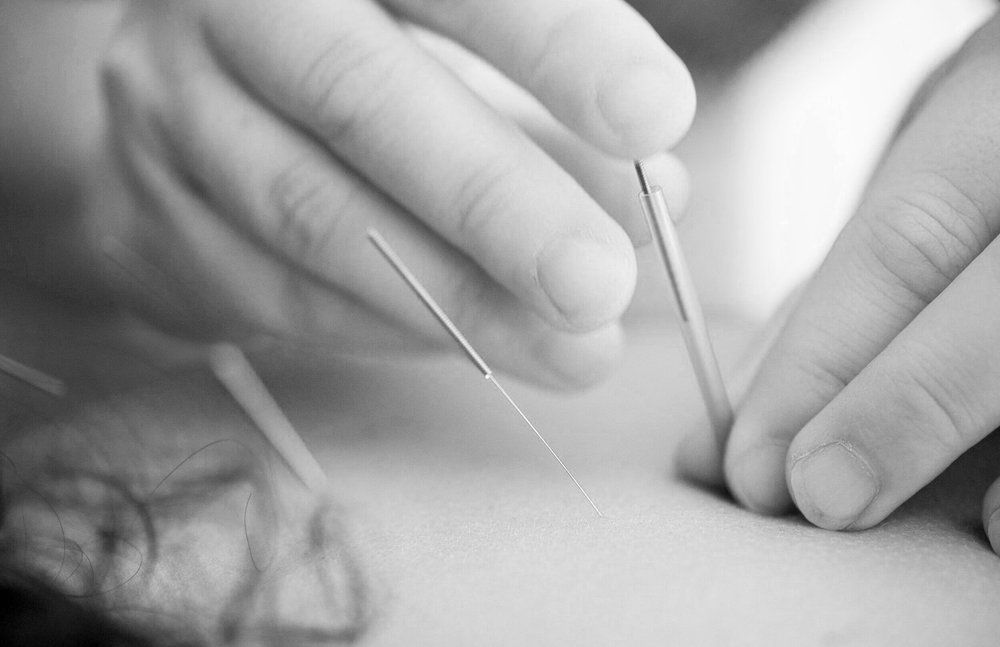
The Ultimate Guide to Dry Needling in Richmond, VA: How It Relieves Pain and Enhances Movement If you're struggling with chronic pain, muscle tightness, or limited mobility, you may have heard about dry needling as an effective treatment. This specialized technique is gaining popularity in Richmond, VA, for its ability to relieve pain, restore function, and enhance movement—without relying on medication or invasive procedures. READ: Pain-Free Mobility: Addressing Common Sports Injuries with Bend Movement in Richmond At Bend Movement , we integrate dry needling into our performance physical therapy approach, helping athletes, active individuals, and those recovering from injuries achieve long-lasting relief. Whether you're dealing with muscle knots, joint stiffness, or sports-related injuries, dry needling can be a game-changer in your recovery. In this guide, we'll explore what dry needling is, how it works, its benefits, and what you can expect from treatment. We'll also help you determine if it's the right therapy for your needs and how to get started with a trusted provider in Richmond, VA. What is Dry Needling? Dry needling is a specialized technique used by trained healthcare providers to relieve muscle pain and improve movement. It involves inserting thin, sterile needles into trigger points—tight knots within muscles that cause pain and dysfunction. Unlike acupuncture, which is based on traditional Chinese medicine, dry needling is rooted in modern Western medicine and focuses on neuromuscular function. How Does Dry Needling Work? When a needle is inserted into a trigger point, it stimulates a response that helps: Release muscle tension by causing tight fibers to relax Increase blood flow to promote healing and reduce inflammation Reduce pain signals by affecting the nervous system’s response to discomfort Dry Needling vs. Acupuncture: What’s the Difference? While both techniques use thin needles, they have different goals and methods: Dry needling targets muscle dysfunction and pain relief based on anatomy and physiology. Acupuncture is based on restoring energy flow (Qi) along meridian pathways in the body. Many patients in Richmond, VA , turn to dry needling as a science-backed, evidence-based approach to relieving muscle pain and enhancing movement. READ: Strong Foundations: Physical Therapy for Mobility and Stability in Richmond How Dry Needling Relieves Pain and Enhances Movement Dry needling works by targeting trigger points and dysfunctional muscle tissue to restore proper function and reduce discomfort. But how exactly does this technique provide pain relief and improve movement? Let’s break it down. 1. Releasing Trigger Points and Reducing Muscle Tension Trigger points are tight, knotted areas in muscles that can cause pain, stiffness, and restricted movement. When a dry needle is inserted into these points, it causes a local twitch response, which helps the muscle relax. This release reduces tightness, restores normal muscle function, and decreases pain sensitivity. 2. Improving Blood Flow and Reducing Inflammation Many types of musculoskeletal pain are linked to poor circulation and chronic inflammation. By stimulating the affected area, dry needling increases blood flow, bringing oxygen and nutrients to the tissue to promote healing. This helps accelerate recovery from injuries and reduces chronic pain conditions like tendonitis and myofascial pain syndrome. 3. Modulating the Nervous System to Reduce Pain Signals Dry needling also influences the way the nervous system processes pain. When the needle is inserted, it triggers a response in the brain and spinal cord that reduces pain perception. This is particularly beneficial for chronic pain sufferers, athletes, and those recovering from surgery or injuries. 4. Enhancing Flexibility and Range of Motion Many people experience stiffness and limited mobility due to tight muscles and fascia. By releasing tension and improving blood flow, dry needling helps restore natural movement patterns, making it easier to perform daily activities, exercise, and recover from injuries. Whether you’re dealing with chronic pain, sports injuries, or mobility restrictions, dry needling offers a scientifically-backed approach to pain relief and movement enhancement. READ: Pain-Free Mobility: Addressing Common Sports Injuries with Bend Movement in Richmond Dry Needling vs. Other Pain Relief Techniques With so many treatment options available, you might be wondering how dry needling compares to other pain relief methods like physical therapy, chiropractic care, massage therapy, and acupuncture. Each approach has its benefits, but dry needling offers unique advantages for those dealing with muscle tension, chronic pain, or mobility issues. 1. Dry Needling vs. Physical Therapy Similarities: Both aim to relieve pain, restore function, and enhance movement. Differences: Traditional physical therapy focuses on exercises, stretching, and manual therapy, while dry needling provides a direct intervention to release muscle tightness and trigger points . Best for: Patients who need fast pain relief to complement their physical therapy program. 2. Dry Needling vs. Chiropractic Care Similarities: Both target musculoskeletal pain and can be used for spine-related issues. Differences: Chiropractic care focuses on spinal adjustments and joint manipulation, while dry needling targets muscle dysfunction directly. Best for: Those with muscle-based pain or tightness that isn’t fully relieved by spinal adjustments alone. 3. Dry Needling vs. Massage Therapy Similarities: Both help relax muscles, improve circulation, and relieve tension. Differences: Massage therapy works on the s urface level of muscles, while dry needling penetrates deeper into trigger points for longer-lasting relief. Best for: Chronic muscle knots and deep-seated tension that regular massage doesn’t fully address. 4. Dry Needling vs. Acupuncture Similarities: Both use thin needles and can help relieve pain. Differences: Acupuncture is based on traditional Chinese medicine and energy flow (Qi), while dry needling is rooted in modern anatomy and neurophysiology. Best for: Those looking for a science-backed approac h to muscle pain and movement improvement. READ: Transforming Lives: How Bend Movement Combines Physical Therapy and Functional Fitness in Richmond When is Dry Needling the Best Option? Dry needling is particularly effective for targeted pain relief, improving mobility, and releasing tight muscles. If you’ve tried stretching, massage, or physical therapy without success, dry needling may be the missing piece in your recovery. What to Expect During a Dry Needling Session If you're considering dry needling for pain relief and improved movement, you may be wondering what happens during a typical session. Understanding the process can help ease any concerns and ensure you get the most out of your treatment. The Assessment Process Before starting treatment, a licensed provider will conduct a thorough evaluation to: Review your medical history and current symptoms Identify areas of muscle tightness, trigger points, and movement restrictions Determine if dry needling is the right approach for your condition This initial assessment ensures that treatment is tailored to your specific needs and goals. The Treatment Experience During the session, the provider will insert thin, sterile needles into targeted muscles. The number of needles used and the depth of insertion will depend on the area being treated and the severity of muscle dysfunction. What you may experience: A mild prick as the needle enters the skin A twitch response in the muscle, which is a sign that the trigger point is being released A dull ache or mild soreness , similar to post-workout muscle fatigue Sessions typically last between 15 to 30 minutes , depending on the treatment area and the techniques used. How Many Sessions Are Needed? The number of sessions varies based on your condition and response to treatment. Some patients experience significant relief after one or two sessions, while others may need multiple treatments over a few weeks to achieve optimal results. Your provider will recommend a treatment plan based on your progress, lifestyle, and overall wellness goals. READ: What to Do Immediately After an Injury: More Than Just Rest Is Dry Needling Safe? Understanding Risks and Side Effects Dry needling is a safe and effective treatment when performed by a trained professional. However, as with any therapeutic intervention, it’s important to understand the potential risks and side effects. Is Dry Needling Safe? Yes, dry needling is considered safe when performed by a licensed provider who follows proper techniques and hygiene standards. The needles used are thin, sterile, and single-use, minimizing the risk of infection or complications. Common Side Effects Most side effects are mild and temporary, including: Soreness or mild discomfort at the insertion site, similar to post-exercise muscle fatigue Bruising in areas with higher blood flow or sensitivity Temporary fatigue or dizziness , which usually resolves quickly These effects typically subside within 24 to 48 hours and can be managed with rest, hydration, and gentle movement. Who Should Avoid Dry Needling? While dry needling is safe for most people, it may not be recommended for: Individuals with a bleeding disorder or who take blood thinners Pregnant women, especially in the first trimester People with severe needle phobia or anxiety Those with skin infections or open wounds near the treatment area A consultation with a qualified provider will help determine if dry needling is a suitable option based on your medical history and health goals. READ: Tackle Pain Head-On Who Can Benefit Most from Dry Needling? Dry needling is a versatile treatment that helps a wide range of individuals, from athletes to those recovering from injuries. If you're experiencing muscle tightness, chronic pain, or restricted movement, dry needling may be an effective solution. Athletes and Active Individuals For those who engage in sports, weightlifting, or high-intensity exercise, muscle tightness and overuse injuries are common. Dry needling helps: Reduce muscle fatigue and soreness Improve flexibility and range of motion Speed up recovery after workouts or competitions Many professional and recreational athletes incorporate dry needling into their injury prevention and performance optimization routine s . People with Chronic Pain Conditions Chronic pain can make daily activities difficult. Dry needling provides relief for conditions such as: Fibromyalgia – Reduces widespread muscle pain and tension Myofascial pain syndrome – Releases trigger points contributing to persistent discomfort Arthritis-related muscle tightness – Eases stiffness by improving muscle function For those who haven’t found relief with traditional treatments, dry needling offers a non-invasive, medication-free alternative. Post-Surgical or Injury Recovery After surgery or injury, muscle imbalances and scar tissue can restrict movement and cause pain. Dry needling helps by: Breaking up adhesions and scar tissue Reducing muscle guarding and compensation patterns Restoring normal function to surrounding muscles It is often used as a complement to physical therapy to enhance recovery. Office Workers and Those with Postural Strain Sitting for long hours or working at a desk can lead to neck, shoulder, and lower back pain. Dry needling helps relieve tension caused by: Poor posture Repetitive strain injuries Muscle imbalances from prolonged sitting By targeting tight muscles and trigger points, dry needling can improve posture and reduce work-related discomfort. Whether you are an athlete, someone managing chronic pain, or recovering from an injury, dry needling can be a key tool in restoring movement and reducing pain. Finding the Right Dry Needling Provider in Richmond, VA Choosing the right provider is essential for a safe, effective, and results-driven dry needling experience. In Richmond, VA, there are many options, but not all practitioners have the same level of expertise. Here’s what to look for when selecting a provider. Qualifications and Experience Matter Dry needling should only be performed by a licensed healthcare professional, such as: Physical therapists with specialized training in dry needling Chiropractors who integrate dry needling into musculoskeletal care Sports medicine specialists experienced in treating athletes Before booking an appointment, ask about their certifications, experience, and approach to treatment to ensure they meet your needs. What to Look for in a Dry Needling Specialist A high-quality provider should offer: A thorough assessment before treatment to customize your care A clean, professional setting with proper hygiene and safety protocols A patient-centered approach , explaining the process and addressing any concerns Why Choose Bend Movement in Henrico? At Bend Movement , we specialize in performance physical therapy, offering expert dry needling services to help you move better and feel your best. Our team is highly trained in evidence-based techniques that support pain relief, mobility, and recovery. With a focus on personalized treatment plans, we ensure that every session is tailored to your specific needs, whether you’re recovering from an injury, managing chronic pain, or optimizing athletic performance. READ: The Principle of Specificity in Training How to Get Started with Dry Needling at Bend Movement If you're ready to experience the benefits of dry needling, getting started at Bend Movement is simple. Our team in Henrico provides expert care tailored to your specific needs, whether you're dealing with pain, mobility issues, or injury recovery. Step 1: Schedule a Consultation Your first step is to book an appointment for an initial evaluation. During this visit, our specialists will: Assess your pain, movement patterns, and medical history Determine if dry needling is the right treatment for you Develop a personalized treatment plan that may include other performance therapy techniques Step 2: Your First Dry Needling Session During your first session, you can expect: A thorough explanation of the procedure and what to expect Precise needle placement to target trigger points and muscle tension Guidance on post-treatment care to maximize results Most patients experience relief after just one session, but a series of treatments may be recommended for lasting results. Step 3: Continue Your Path to Pain-Free Movement At Bend Movement , we take a comprehensive approach to healing and performance. In addition to dry needling, we offer: Hands-on physical therapy to restore movement and strength Movement assessments to address the root cause of pain Performance training to prevent injuries and optimize athletic ability By combining dry needling with evidence-based therapy , we help you move and feel better faster. Book Your Appointment Today Ready to take the next step? Schedule your dry needling consultation at Bend Movement today and start your journey toward pain relief and improved movement. Dry needling is a powerful treatment for relieving pain, reducing muscle tension, and improving mobility. Whether you’re an athlete, recovering from an injury, or struggling with chronic pain, this technique can help you move better and feel stronger. At Bend Movement in Henrico , our expert team integrates dry needling with performance physical therapy to provide comprehensive, results-driven care. With a personalized approach, we help patients regain function, prevent future injuries, and optimize movement. If you're ready to experience the benefits of dry needling, schedule an appointment today and take the first step toward a pain-free, active lifestyle.

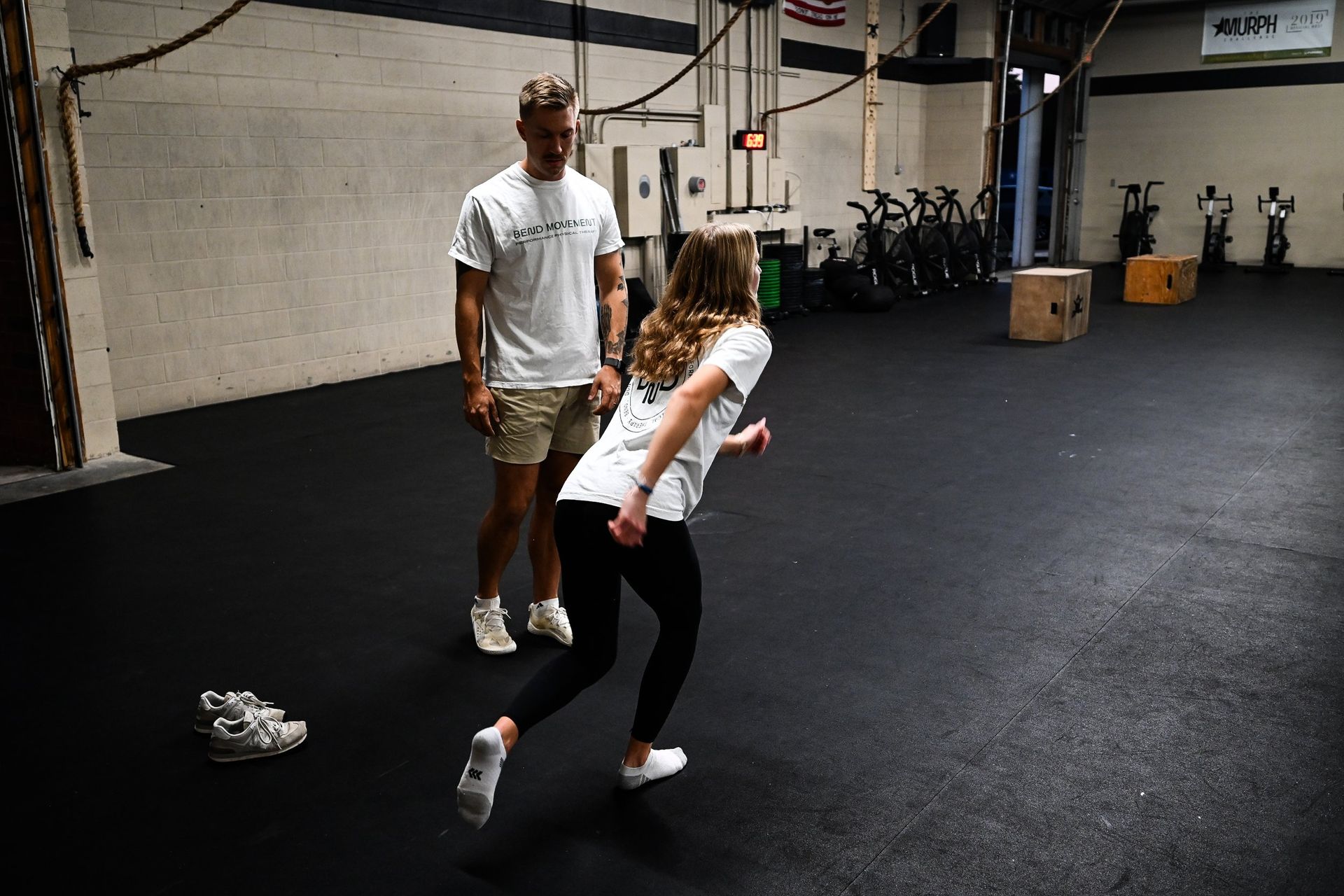
The Power of Personalized Care: How Bend Movement Optimizes Performance for Richmond Athletes For athletes, success comes down to more than just skill—it’s about how well your body performs under pressure. At Bend Movement Physical Therapy in Richmond, VA, we specialize in helping athletes of all levels enhance their performance, recover from injuries, and prevent setbacks. Through personalized, movement-focused care, we empower you to push past limits and achieve your goals. Why Athletes Need Specialized Physical Therapy Sports push your body to its limits, and repetitive movements or high-impact activities can lead to injuries and inefficiencies. Physical therapy bridges the gap between performance and recovery, ensuring that your body is strong, balanced, and ready for competition. How Physical Therapy Benefits Athletes: Injury Prevention Many sports injuries—like ACL tears, shin splints, and tendinitis—stem from poor mechanics or muscle imbalances. We identify and address these issues before they become problems, keeping you in the game. Optimized Movement From running form to jumping mechanics, every athlete has room for improvement. By fine-tuning your movement patterns, we help you perform more efficiently and with less strain on your body. Faster Recovery If you’ve been sidelined by an injury, we create a plan to get you back to your sport quickly and safely while minimizing the risk of re-injury. The Bend Movement Athlete Program Our approach to athletic performance is grounded in science and tailored to your unique needs. We focus on building strength, improving flexibility, and enhancing resilience so you can perform at your best. Key Components of Our Program: Performance Assessments: We begin by analyzing how your body moves during your sport. This includes evaluating biomechanics, balance, and strength to identify inefficiencies. For instance, a runner might undergo a gait analysis to refine their stride, while a basketball player could focus on jump mechanics. Strength and Power Training: Athletic performance requires a strong foundation. We incorporate exercises like deadlifts, squats, and plyometrics to build explosive power and prevent fatigue during competition. Mobility and Flexibility Work: Tight muscles and restricted joints can limit your performance and increase your risk of injury. We design personalized mobility routines to improve your range of motion and overall movement quality. Injury Rehabilitation and Prevention: If you’re recovering from an injury, we’ll create a tailored plan that rebuilds your strength and confidence. For athletes without injuries, we focus on proactive care to ensure your body is resilient and ready for the demands of your sport. Common Sports We Support At Bend Movement , we work with athletes from a variety of disciplines, including: Runners: Improving stride mechanics, reducing impact, and building endurance. Cyclists: Enhancing power output, optimizing posture, and preventing overuse injuries. Field and Court Athletes: Building agility, stability, and strength for sports like soccer, basketball, and tennis. CrossFit Enthusiasts: Improving form, mobility, and performance for heavy lifts and high-intensity workouts. Education for Long-Term Success Our mission is to empower you with the tools and knowledge to stay strong and injury-free. Throughout your program, we teach you: Proper Warm-Up Techniques: Preparing your body for high-intensity activity reduces the risk of strain or injury. Recovery Strategies: From foam rolling to hydration, we guide you on best practices to keep your muscles and joints healthy. Body Awareness: Understanding how your body moves helps you recognize early signs of imbalance or overuse, so you can address issues before they escalate. Why Richmond Athletes Choose Bend Movement At Bend Movement Physical Therapy , we’re more than just physical therapists —we’re your partners in performance. Whether you’re a seasoned competitor or a weekend warrior, our personalized care ensures you’ll move better, feel stronger, and achieve more. Ready to elevate your athletic performance? Contact Bend Movement Physical Therapy in Richmond, VA, today and take the next step toward your goals!

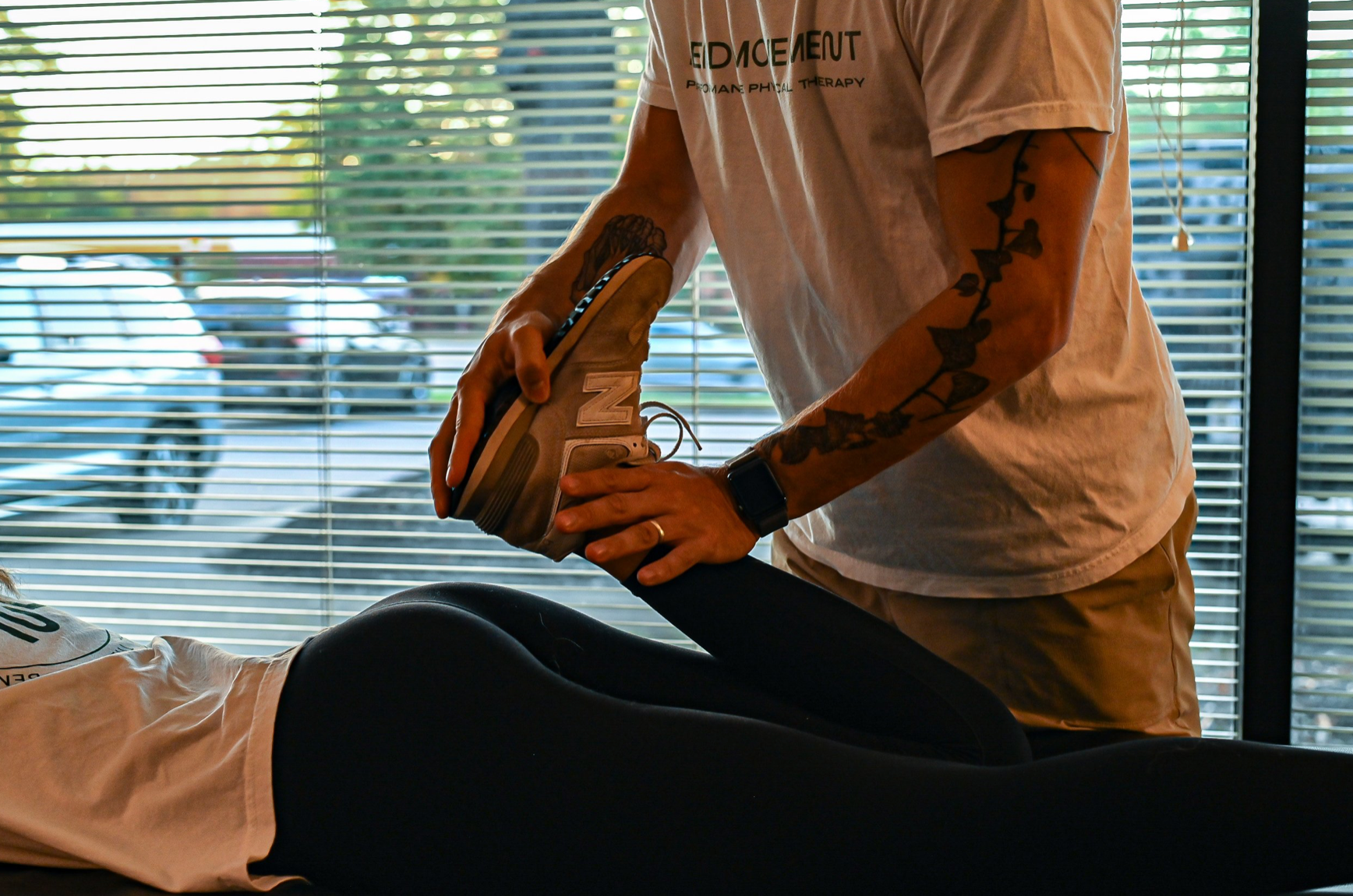
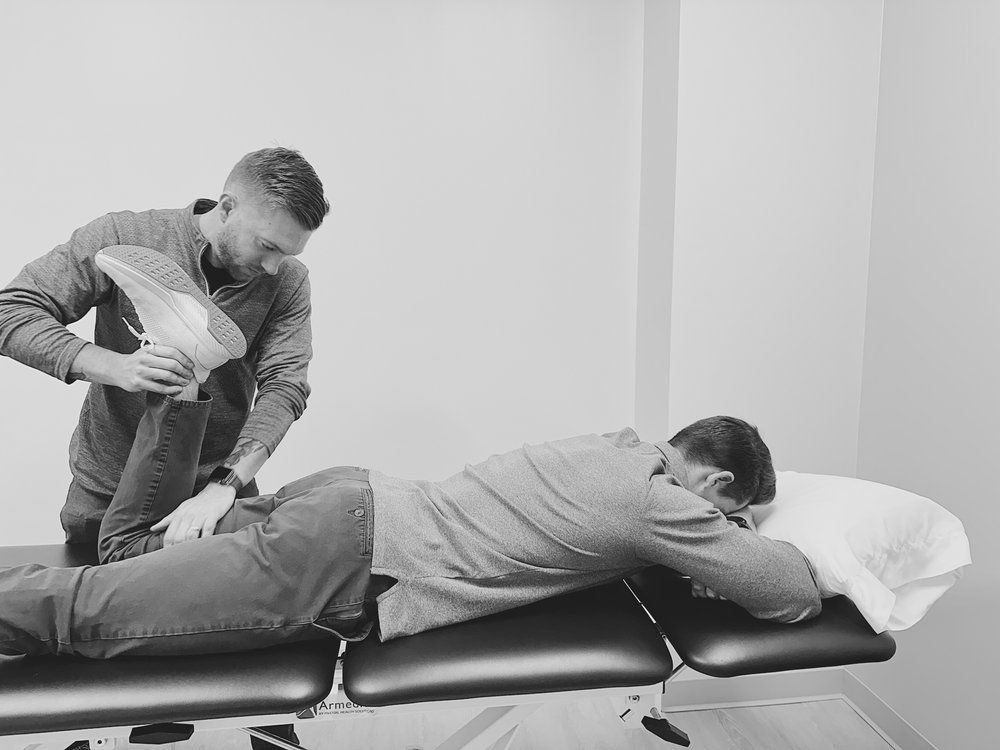
Strong Foundations: Physical Therapy for Mobility and Stability in Richmond Mobility and stability are the cornerstones of an active, pain-free life. Whether you’re walking, running, lifting, or simply moving through your day, these two components work together to ensure your body moves efficiently and without strain. At Bend Movement Physical Therapy in Richmond, VA , we specialize in helping individuals improve their mobility and stability through customized physical therapy programs . By addressing imbalances and building strength, we help you create a solid foundation for better movement and overall health. The Importance of Mobility and Stability Mobility refers to your ability to move your joints and muscles through their full range of motion. Stability, on the other hand, ensures that your body can control these movements without unnecessary strain or risk of injury. Together, they allow you to: Perform daily activities with ease. Prevent falls, strains, and other injuries. Move efficiently during sports and fitness routines. Reduce pain and discomfort caused by compensatory movements. Physical therapy targets both mobility and stability, creating a balanced system that supports your body’s needs. How Bend Movement PT Improves Mobility and Stability At Bend Movement Physical Therapy , we offer a comprehensive approach to improving your movement patterns, focusing on both flexibility and control. 1. Detailed Assessments Your therapy journey begins with a thorough evaluation of your posture, movement mechanics, and muscle imbalances. This allows us to identify areas of tightness, weakness, or instability that may be limiting your mobility. 2. Restoring Mobility Tight muscles and restricted joints can prevent you from moving freely. Our therapists use techniques like: Manual Therapy: To release tension and improve joint mobility. Stretching Exercises: Targeting specific muscles to increase flexibility. Dynamic Mobility Drills: Designed to enhance functional range of motion for real-life activities. 3. Building Stability Strengthening key muscle groups helps stabilize your joints and prevents compensatory movements. Therapy includes: Core Stability Training: To support your spine and improve overall balance. Lower Body Strengthening: For better control during walking, running, or climbing stairs. Upper Body Stability Work: To enhance shoulder and arm function during lifting or reaching. 4. Functional Movement Training As your mobility and stability improve, we incorporate exercises that mimic real-life tasks. This ensures that therapy translates into better performance in your daily activities and recreational pursuits. 5. Education and Home Programs We empower you with tools and techniques to maintain your progress outside of the clinic, including at-home exercises and tips for proper posture and body mechanics. Conditions Treated at Bend Movement PT Improving mobility and stability can benefit individuals with a variety of conditions, including: Chronic pain conditions like arthritis and back pain. Balance and gait disorders. Sports injuries such as sprains or strains. Post-surgical recovery for joint replacements or ligament repairs. Neurological conditions that affect coordination and movement. The Benefits of Better Mobility and Stability Engaging in physical therapy to enhance mobility and stability offers numerous advantages, including: Improved Movement Efficiency: Perform daily tasks with less effort and strain. Reduced Pain: Address the root causes of discomfort caused by tightness or instability. Injury Prevention: Strengthen weak areas and improve control to reduce the risk of falls or strains. Enhanced Athletic Performance: Move more powerfully and efficiently in sports or fitness routines. Long-Term Wellness: Build a foundation for sustained physical health and activity. Why Choose Bend Movement PT in Richmond? At Bend Movement Physical Therapy , we’re passionate about helping the Richmond community move better and live healthier. Our therapists combine advanced techniques with personalized care to deliver exceptional results. Whether you’re recovering from an injury, managing a chronic condition, or simply looking to improve your mobility and stability, we’re here to guide you every step of the way. Move Better with Bend Movement PT Your mobility and stability are the foundation of a healthy, active life. At Bend Movement Physical Therapy in Richmond, VA, we’re here to help you unlock your full potential and move with confidence. Schedule your consultation today and take the first step toward a stronger, more mobile future. BOOK AN APPOINTMENT Frequently Asked Questions (FAQs) 1. How long does it take to improve mobility and stability with physical therapy? Many patients notice improvements within a few sessions, but long-term changes depend on the severity of the issue and your commitment to the program. 2. Can physical therapy help prevent falls? Yes, therapy focuses on improving balance, strength, and coordination, all of which are critical for fall prevention. 3. Do I need a referral to start therapy at Bend Movement PT? In most cases, no referral is needed. Contact us to verify your eligibility and schedule your first session. 4. Is physical therapy suitable for older adults? Absolutely. Physical therapy is highly effective for addressing age-related mobility and stability challenges. 5. Can physical therapy improve my performance in sports or fitness activities? Yes, therapy enhances flexibility, strength, and movement mechanics, helping you perform more efficiently and reduce the risk of injury.

The Benefits of Ongoing Physical Therapy: Monthly Mobility Memberships Working with a physical therapist on a consistent, ongoing basis can be a game-changer for your long-term mobility and overall health. Rather than waiting for pain or injury to arise, regular visits allow you to stay ahead of potential problems, maintain optimal function, and continually improve your movement quality. A monthly mobility membership—whether it's one or multiple visits per month—provides the structure needed to support your body’s needs and goals. Proactive Care for Lasting Mobility Ongoing physical therapy focuses on maintaining and improving mobility, rather than just addressing injuries when they happen. Through regular check-ins, a physical therapist can identify movement limitations, address imbalances, and help you prevent future issues. Monthly mobility sessions give you the opportunity to stay proactive about your movement health, ensuring that your joints, muscles, and tissues remain in peak condition over time. Consistent Progress and Personalized Support With a monthly membership, you receive personalized care tailored to your specific needs and goals. Regular sessions allow your therapist to adjust your plan as your body changes and improves. This ongoing support ensures that you continue to make progress, whether you're working on mobility, strength, or recovery. By consistently building on your previous sessions, you create a steady path toward long-term results. Sustainable, Preventative Approach One of the key benefits of a consistent membership is its preventative nature. Instead of waiting for pain to disrupt your routine, regular visits keep your body in balance, reduce the risk of injury, and promote sustainable health. Whether you’re looking to improve your athletic performance, stay active in your daily life, or simply feel better in your body, an ongoing relationship with your physical therapist can make all the difference. Working with a physical therapist on an ongoing basis provides long-term benefits for your mobility, movement quality, and overall well-being. A monthly check in allows for consistent support, personalized care, and a preventative approach that keeps you moving at and feeling your best.

The Power of Preventative Care Preventative care is a great way of maintaining long-term health and wellness, and it's something that we offer at Bend Movement Physical Therapy! Preventative care focuses on identifying potential issues before they become significant problems, helping reduce the risk of injuries and chronic conditions. This proactive approach not only helps individuals stay active and pain-free but also enhances their overall quality of life. Benefits of Preventative Care One of the primary benefits of preventative care is the early detection of musculoskeletal imbalances and weaknesses. Through comprehensive assessments, physical therapists can identify areas that may be prone to injury and develop personalized exercise programs to address these weaknesses. This targeted approach helps to improve strength, flexibility, and coordination, thereby minimizing the risk of injuries during both daily activities and sports. Preventative Care Strategies Preventative care involves a variety of strategies, including regular physical assessments, customized exercise routines, and education on proper body mechanics. By teaching patients how to move correctly and efficiently, physical therapists can help prevent the development of chronic pain and overuse injuries. Additionally, incorporating stretching and strengthening exercises into a regular fitness routine can maintain long term joint health and muscle balance, which are crucial for preventing aches and pains. Long-Term Health and Wellness The long-term benefits of preventative care extend beyond injury prevention. Regular physical therapy sessions can enhance overall physical performance, increase energy levels, and improve mental well-being. By taking a proactive approach to health, individuals can enjoy a more active and fulfilling lifestyle. Moreover, preventative care can reduce healthcare costs by minimizing the need for more expensive treatments and potential surgeries down the line. In conclusion, preventative care is a powerful tool in the field of physical therapy that promotes long-term health and wellness. By addressing potential issues before they become serious problems, individuals can maintain their mobility, prevent injuries, and lead healthier lives. Come visit us in Henrico, where we help individuals take a proactive step in maintaining their health!
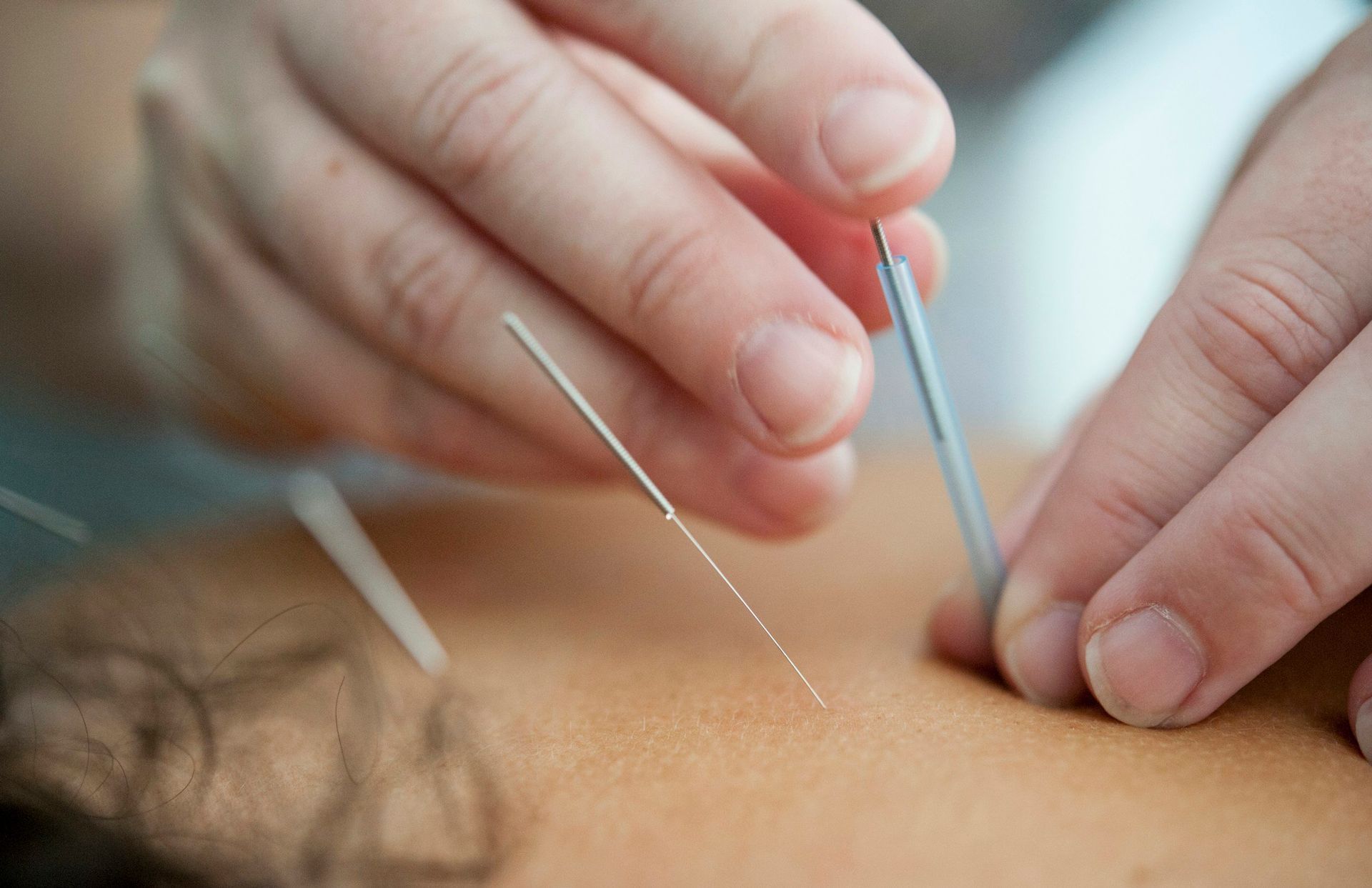
Understanding Dry Needling: A Simple Guide Jul 25 Dry needling is a therapeutic technique used at Bend Movement Physical Therapy to treat muscle pain and improve function. This method involves inserting needles into trigger points—tight bands of muscle or knots—that can cause discomfort and restrict movement. Unlike acupuncture, which is based on traditional Chinese medicine, dry needling is rooted in Western medicine principles and focuses on relieving pain and restoring mobility by targeting specific muscle groups. How Does Dry Needling Work? When a needle is inserted into a trigger point, it stimulates the muscle to contract and then relax. This response helps to release tension, stimulates blood flow, and reduces pain in the affected area. Additionally, dry needling can lead to a reset of the neuromuscular system, encouraging muscles to return to their normal function. The technique is often used to treat conditions such as chronic pain, muscle stiffness, and can be especially effective after sports injuries. Patients typically experience immediate pain relief, though several sessions and other treatments may be needed for long-term improvement. Benefits of Dry Needling One of the main benefits of dry needling is its ability to provide quick relief from pain. This makes it an incredibly valuable tool for athletes and individuals dealing with discomfort. By targeting the source of the pain directly, dry needling can reduce reliance on pain medications and support faster recovery. It also complements other physical therapy treatments, such as manual therapy and exercises, leading to better and more lasting overall rehabilitation outcomes. Furthermore, dry needling can improve muscle function, flexibility, and range of motion, which are crucial for maintaining an active and healthy lifestyle. What to Expect During a Dry Needling Session During a dry needling session, your physical therapist will first assess your condition and identify the trigger points that need treatment. The procedure itself is relatively quick and typically causes minimal discomfort. You might feel a slight twitch or cramping sensation as the needle stimulates the muscle. Post-treatment, it’s common to experience mild soreness in the treated area, similar to the feeling after a vigorous workout. This soreness usually subsides within a day or two, leaving you with reduced pain and improved mobility. In summary, dry needling is an effective and efficient treatment option for addressing muscle pain and dysfunction. By incorporating it into your physical therapy plan, you can achieve faster pain relief, enhanced muscle performance, and a better overall quality of life. If you're struggling with persistent muscle pain, visit Bend Movement Physical Therapy in Richmond and see what dry needling can do for you!